© 2026 Rentokil Initial plc and subject to the conditions in the Legal Statement.
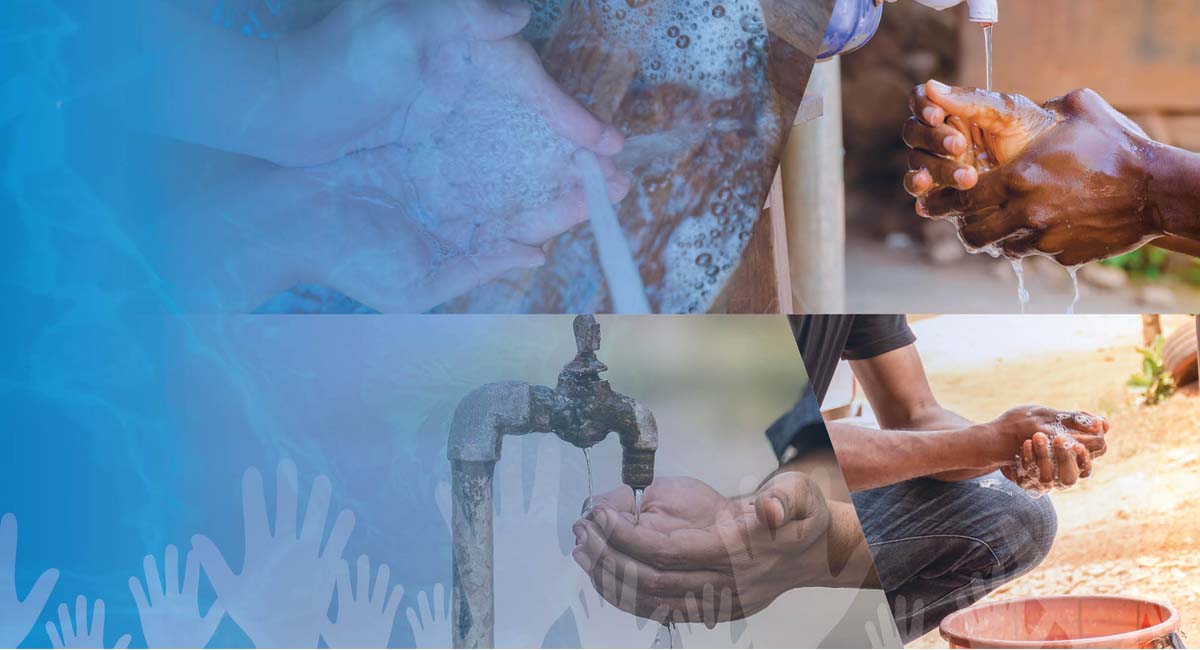
Global Handwashing Day celebrate annually on October 15
Founded by the Global Public-Private Partnership for Handwashing, the global annual day is to remind individuals to cultivate proper and adequate handwashing habits. By constantly remembering to wash your hands after visiting a washroom, before and after food handling or engaging in activities with cross contamination risks, we can help to reduce the risks of contracting diseases due to poor hygiene.
As the leading hygiene specialist, we embrace Global Handwashing Day objectives in adhering hand hygiene standards by fostering the culture locally and reinforce the benefits of handwashing.
We can transmit germs and bacteria in various ways:
- Spread germs through food preparation and consumption
- Close contact with unwell people or in public
- Contact or interaction through contamination hands
- Adopting poor washroom habits & hygiene
- Presence of surfaces with germs and bacteria
As our hands are constantly in contact with surfaces, actions, activities or an environment with people interaction and traffic, we are unable to assure hygiene are met with our naked eyes. There is also a misperception of clean surfaces equals to hygienic surfaces. A clean surface may habour germs.
On average, we visit 2,500 times to the washroom in a year, which equates to 6 to 8 times a year. This places us higher risks of cross contamination and picking up diseases relating to hygiene such as gastrointestinal infection, for example Salmonella and respiratory infections such as influenza.
It only takes 20 seconds to wash your hands and a constant reminder and habit to remember to wash them. Ensure handwashing tools and facilities are made available to cultivate this habit, such as hand soap, hand drying tools and hand sanitisers.
Download your 7 Handwashing Steps Infographic click here
World hand washing day It was created to promote the importance of washing hands with soap for the health, safety and protection of people around the world. The aim is to spread the word about good hand hygiene to society, supporters, and community leaders. To create awareness and promote healthy habits Ready to provide hygiene facilities For good health to happen around the world
First World Handwashing Day Launched in October 2008, it has reached 120 million children from 73 countries on five continents. Since its successful launch It has been celebrated to raise awareness ever since. And in the past year More than two billion people from different countries All over the world took part in organized events. Including online virtual activities and campaigns with various media
Global Handwashing Day 2021 has seen many success stories, including Lifebuoy and Sesame Street teaming up to create the world's largest virtual classroom. And the importance of washing hands is taught to children. A celebration of Global Handwashing Day was lit on the Great Wall of China in collaboration with Procter & Gamble and CCTV.com. There was also an emerging hand hygiene commitment. Organized by the ministers of each country. Private sector executives and leaders of another 50 communities. Living life in today's world where it is expected that there will be more than 1. 9 billion people in 2030 will still lack handwashing facilities at home. Even though we have passed from the epidemic situation. It is still not very clear whether what is practiced today is sufficient for good hygiene or not. But we are also discovering that the world is paying more attention to the spread of germs. We also need to increase our momentum to create change to ensure equal hygiene for all through this World Handwashing Day. Global Handwashing Day and its supporters want more of a change. This year, I wish everyone Unite for hand hygiene #UniteforUniversalHandHygiene
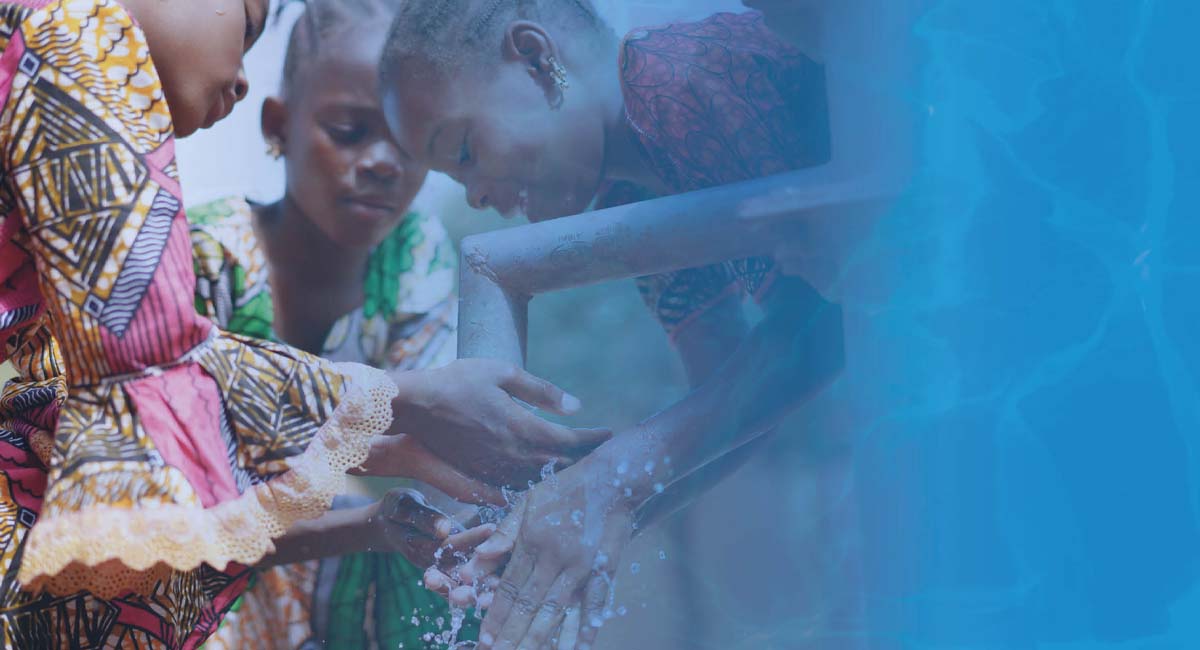
Unite for hand hygiene What does it mean?
Even as people become more informed about the risks associated with poor hand hygiene, But there are still inequalities in access to hand hygiene facilities all over the world. What if there are still 2.3 billion people unable to wash their hands with soap and water at home? How can we protect public health?
In October 2021, the United Nations Children's Fund (UNICEF) and the World Health Organization (WHO) collaborated to release the State of the World's Hand Hygiene report. They evaluate the progress of the topic world. Sustainable Development Goal 6 (SDG 6) – calls for the global community to have access to sanitation for all by 2030 – and proposes ways to achieve it. Their research also reveals global inequalities in hand hygiene. Some key findings follow.
- An estimated 670 million people do not have a place to wash their hands in their homes.
- One in three health facilities lacks hand hygiene facilities.
- Nearly half of schools around the world lack basic sanitation facilities.
- Without further developments, by 2030 the world will have only 78% basic sanitation coverage and we will not reach our Sustainable Development Goals (SDG 6).
To provide more clarity Therefore, on Global Handwashing Day 2022, we focus on the world's shared responsibility to improve access to hand hygiene facilities.
Global Handwashing Day is encouraging communities and organizations to Be the voice of the government and decision makers. To provide greater funding and resources for hand hygiene to achieve SDG 6, they believe governments, donors, researchers and businesses need to work together. Global Handwashing Day also calls for action from each country. by recommending that they should determine 'National Coverage Targets' in line with SDG 6 and create hygiene roadmaps with a clear vision of how they will achieve hand hygiene.

During the COVID-19 outbreak, hand hygiene has received unprecedented attention from people. And washing your hands has become one of the most important and cost-effective ways to keep yourself and others healthy. Changes beliefs about washing hands People don't just wash their hands to clean. Only remove dirt from hands. But it is still necessary to reduce the spread of germs between each other.
Initial surveys changes in social behavior towards hygiene around the world. A total of 20,000 people from 20 countries responded to the survey on the impact of hygiene attitudes and practices on their well-being. Employee and organizational expectations and responsibility for health
The Global Hygiene Reset report reveals that it's not just people's attitudes changing. But there are also expectations: 74% of people are now very worried* that other people's poor hand hygiene could put their health at risk. It said that hand hygiene is no longer seen as a personal choice. But it should be part of our shared responsibility to keep each other safe.
In addition, people's increased awareness and understanding of the spread of germs has led 71% of people to be more afraid of transmission through public surfaces.* As a result, people are adjusting their behavior to reduce the risk of transmission. against germs to protect yourself and others This creates long-term hygiene habits, with 66% of people saying they wash their hands more* to protect themselves from germs and viruses. They intend to keep this alive.
Washing your hands is an essential behavior that must be made a habit. Regardless of whether or not they visited a place with hand-washing facilities, 58% of respondents would use hand sanitizer to protect against common viruses. found at work The proportion of people using hand sanitiser rose to 61% among people working in shared spaces. The report said they are more likely to wash their hands regularly at work to reduce hygiene risks.
Clearly, people are aware of the risks of poor hand hygiene and want measures to protect themselves and those around them. If a business wants to help employees and customers feel safe, Receive good hygiene protection Appropriate facilities need to be provided to promote hand washing practices. and continue to strengthen the culture of good hand hygiene for society.
*Before the COVID-19 outbreak
Know more about Global Handwashing Day here.
1 Initial, The Global Hygiene Reset, 2021
Enhancing lives through hygiene services
Initial's hygiene services help reduce concerns about spreading germs after the COVID-19 pandemic
- Hand Hygiene
- Air Hygiene
- Special Disinfection