© 2026 Rentokil Initial plc and subject to the conditions in the Legal statement
Working in a corporate environment involves 90% of the time staying indoors. Though we have many facilities available indoors from ergonomic chairs to high-speed internet, a critical element of workspace hygiene involves the air.
Air hygiene is no longer just a ‘nice-to-have’ or a box to tick for building compliance. Air hygiene is a systematic practice of maintaining pathogen-free, purified, and well-regulated atmosphere. It is now recognized as a critical determinant of organizational resilience. For the modern enterprise, ensuring superior indoor air quality (IAQ) is an essential investment in human capital and operational excellence.
Air Hygiene and Indoor Air Quality: The Connection
Air hygiene is the management of airborne pollutants, odors, and germs that accumulate in confined spaces. The collection of dust, allergens, volatile organic compounds (VOCs), and germs leads to poor indoor air quality. Even worse, these toxins remain undetected for a very long period.
In places of employment, retail establishments, lodging facilities, medical facilities, and educational institutions, poor indoor air quality leads to discomfort. High standards of air hygiene must be upheld in order to keep interior areas secure, cozy, and suitable for daily activities.
Importance of Clean Air
Clean air and proper air hygiene create a feeling of freshness, lightness, and comfort. This allows employees to stay focused and ensures that the clients feel comfortable. Research regularly reveals that improving indoor air quality improves cognitive performance, reduces health-related complaints, and contributes to increased overall pleasure.
In business, air hygiene has an impact on perception. A commercial workplace with clean, odorless air exudes expertise and attention to detail. Conversely, stale or unpleasant air can weaken even the best-designed rooms, influencing how consumers and visitors perceive the business.
Key Air Hygiene Solutions
A highly effective way to improve air hygiene is to utilize air purifiers in workplaces and other commercial settings. These help remove airborne contaminants, including dust, pollen, tiny particles, and germs, resulting in clean air.
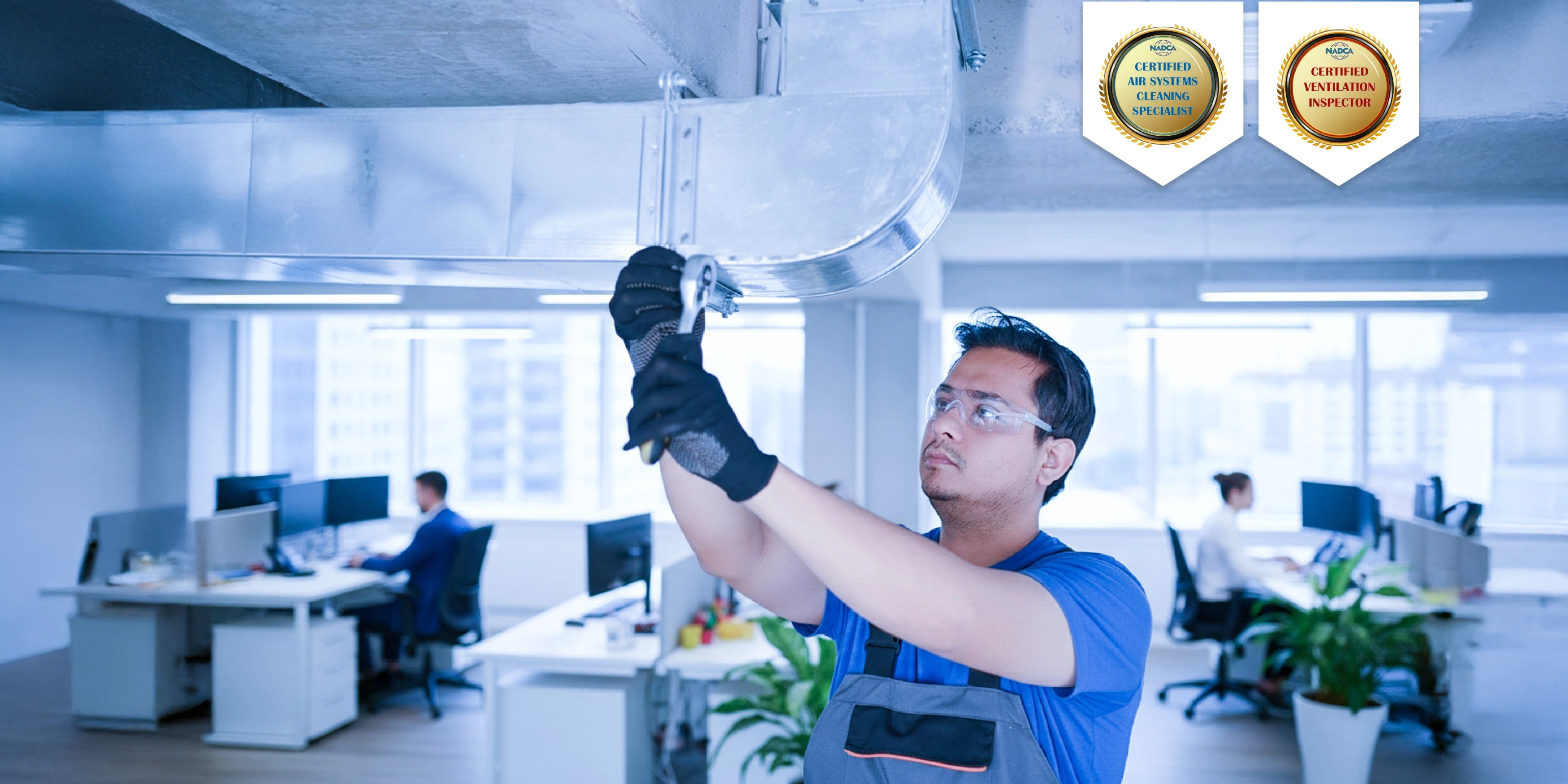
Central HVAC systems do provide a foundation; however, localized air cleanup still remains the need of the hour. Comprehensive duct cleaning is another non-negotiable component of a professional system. By removing accumulated biomatter and debris, businesses reduce the mechanical strain on their systems while ensuring the air delivered to the floor is clean and pure.
In addition, deploying professional scenting solutions can complement air hygiene efforts. While scenting does not directly replace purification, it will aid in neutralizing residual odors and will lead to a pleasant indoor environment.
Conclusion
As the idea of a ‘healthy workplace’ evolves, air hygiene will stay at the center of the discussion. Businesses may safeguard their employees, please their customers, and gain a competitive advantage in an increasingly health-conscious market by combining high technical requirements with current purifying technology.
Employees are increasingly concerned about maintaining a healthy workforce. Given this, air hygiene should remain a top priority in any organization's hygiene plan. With rigorous technical standards and modern purification technology, businesses can protect their workforce and secure a competitive advantage in an increasingly health-conscious market.
By prioritizing indoor air quality, businesses can create commercial spaces that are healthier, more comfortable, and more welcoming for employees, customers, and visitors.
Washroom hygiene
Create confidence and reassurance in your workplace with the range of innovative and hygiene washroom solutions.
- End to end range of washroom products, equipment and services
- Market leading washroom provider supporting Indian businesses for over 50 years
- Washroom servicing available throughout India through our wide network of branches