English
Take me to the site© 2026 Rentokil Initial plc and subject to the conditions in the Legal Statement.
It feels like just yesterday when our homes were simply places of rest, remote work, and, let's be honest, the occasional midday lounge. But beneath the comfort of our four walls, an unseen menace has been brewing, one that's particularly alarming for those residing in public department buildings, hospitals and rest homes.
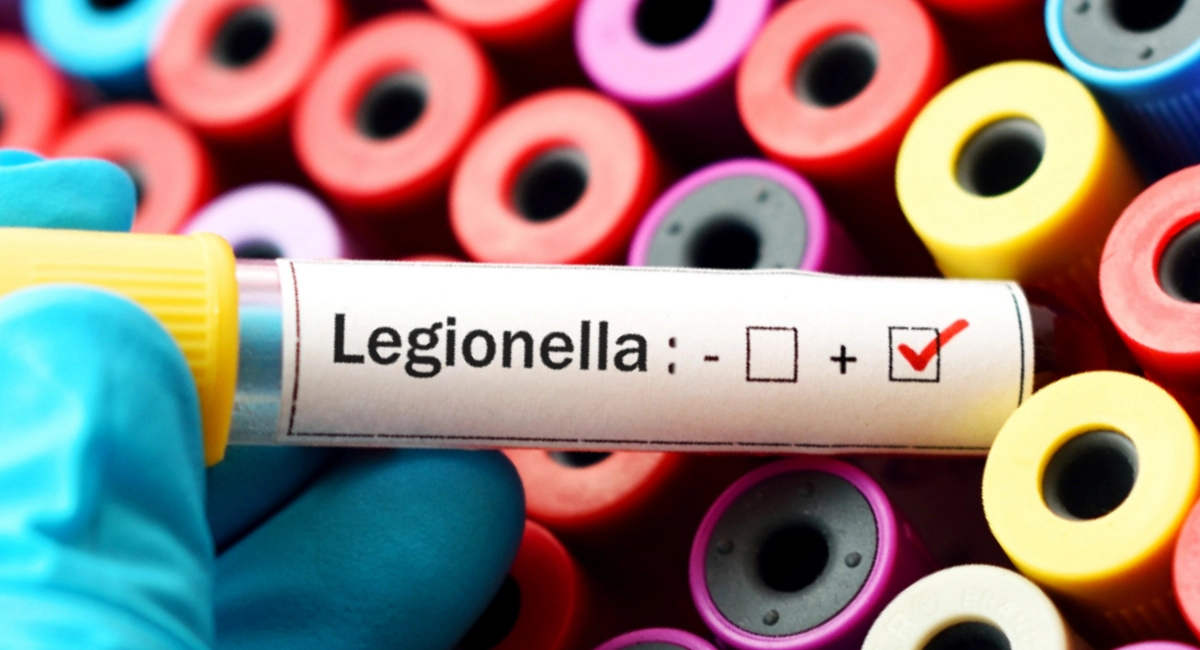
We're talking about Legionella, the bacteria behind Legionnaires' disease. Picture this: you're sipping your morning coffee, and Legionella is sneaking around in those leaked waters—quite the unwanted roommate.
According to a study from ScienceDirect, Legionella isn't content just to swim; it wants to take flight. When contaminated water turns into mist, like from a shower or a burst pipe, the bacteria go airborne. And if you breathe that in? You might be in for more than just a cough.
Legionnaires' disease, a serious form of pneumonia, has recently made headlines due to a case investigated by the Centre for Health Protection (CHP) of the Department of Health. This incident provides a critical learning opportunity for understanding the disease, its causes, treatment, and prevention.

On December 13 2023, the CHP announced an investigation into a Legionnaires' disease case reported by the Chinese University of Hong Kong (CUHK) Medical Centre. A 71-year-old male patient was suspected to have acquired a nosocomial (hospital-acquired) infection. After being admitted to the hospital for over three weeks, he developed symptoms and tragically passed away on November 19.
Investigations revealed that eight out of 12 water samples from the hospital tested positive for Legionella pneumophila serogroup 1 antigen, with a genetic sequence matching the patient's sample. This discovery pointed to the likely source of infection and underscored the need for rigorous control measures.
When a case of Legionnaires' disease is identified, the standard treatment involves antibiotics, which are generally effective if administered promptly. Following this incident, the CHP advised immediate disinfection and suspension of the water supply in the affected area, plus increased surveillance and advice for the CUHK Medical Centre.

Preventing Legionnaires' disease requires diligent maintenance of water systems, as Legionellae can proliferate in warm water between 20 to 45 degrees Celsius. The CHP has recommended strict adherence to the Code of Practice for Prevention of Legionnaires' Disease and risk-based strategies for its prevention and control.
Environmental factors play a significant role in the transmission of Legionnaires' disease. Ensuring that water systems are clean and that water temperatures are managed properly can help prevent bacterial growth. Additionally, routine testing for Legionella should be conducted, especially in healthcare settings. Since Legionella could be brought in the air with the aerosolization droplets. It is crucial to regularly clean and disinfect the air conditioning systems. Plus a government approved, medical grade safe air purifier like Initial’s VirusKiller, it is not impossible to control this hidden enemy.
In the context of building management, it is crucial to address the blockage of sewage air and odor, as these can be essential to the inner building transmission of bacteria and viruses. Proper sealing and regular maintenance of sewage systems can prevent the spread of contaminated aerosols, which may carry harmful pathogens like Legionella. Use a reliable sewage blockage system like Green Drain to make sure the airborne bacteria will not get out from the sewage pipes into the air you breathe.
In conclusion, the recent case at CUHK Medical Centre serves as an important reminder of the risks associated with Legionnaires' disease. It highlights the need for prompt treatment, thorough investigation, and robust prevention protocols. Building management must prioritize the blockage of sewage air and odor to protect against the transmission of bacteria and viruses within buildings.
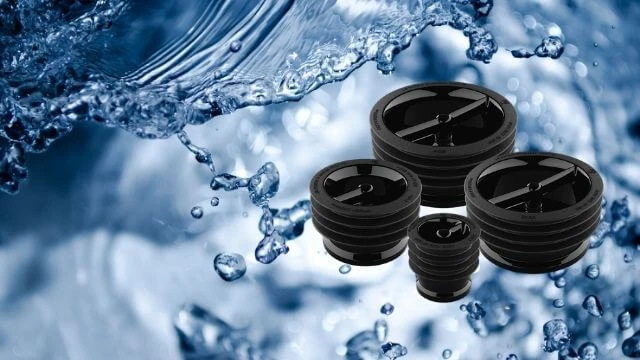
Initial’s holistic approach to hygiene solutions ensures your workplaces are covered in all key risk areas.