© 2026 Rentokil Initial plc and subject to the conditions in the Legal statement
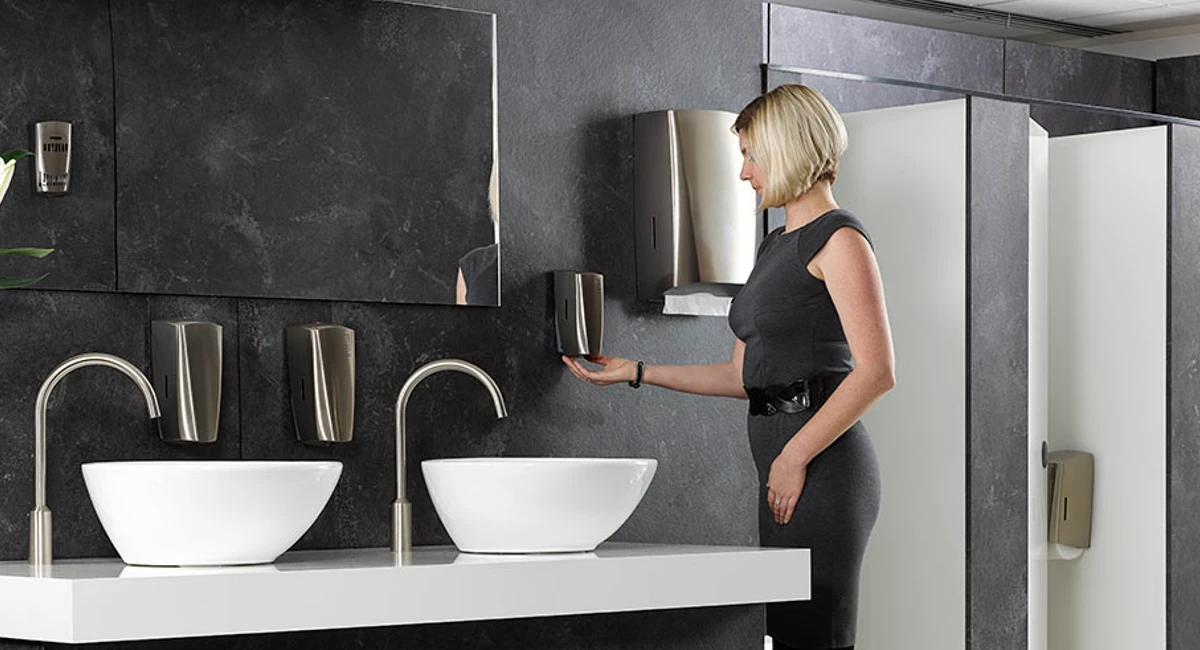
Table of Contents:
- Introduction
- About Managed Hygiene
- Effective Outcomes of Managed Hygiene
- Conclusion
Introduction
Even in facilities with rigorous cleaning schedules, significant hygiene-related waste persists. From unnecessary use of consumables and time to squandered resources and money, hygiene-related issues leave behind a significant impact. Traditional cleaning routines simply fail to monitor product usage, curb overconsumption, or guarantee lasting efficiency. Here is precisely where managed hygiene solutions become essential, as they offer a smarter, more sustainable approach.
Managed hygiene goes beyond daily cleaning. It combines implementing controlled dispensing systems, preventive maintenance, planned servicing, and expert oversight to ensure that hygiene standards remain consistent while eliminating unnecessary overuse. Here’s how a managed approach transforms hygiene systems across washrooms, hand care stations, drainage systems, and air-care units.
About Managed Hygiene
Managed hygiene is a structured and proactive approach to maintaining effective cleanliness and sanitation in facilities. It goes beyond a fixed schedule, as it involves monitoring and controlling the use of cleaning products and also implementing data-driven strategies to reduce waste and improve efficiency. To sum up, managed hygiene involves transforming routine tasks into a strategic process of health, sustainability, and operational efficiency.
Hand Care
Hand hygiene products are some of the most frequently overused consumables in any facility. Without controlled dispensing, users often take excess soap or sanitizer, leading to faster supply depletion and prompting cleaning teams to refill more often than necessary to avoid running out. This cycle results in significant product wastage.
Managed hygiene addresses this challenge by implementing calibrated dispensing systems that deliver a precise amount with each use. This not only curbs overconsumption but also ensures consistent hygiene standards are met across the facility.
Washroom and Sanitary Care
Washrooms see many visitors and hence managed hygiene becomes all the more important here. Not managing washroom hygiene will result in irregular refilling, overflowing sanitary bins, and unnecessary use of cleaning chemicals.
- How can managed hygiene help?
- Sanitary bins are serviced promptly
- Refill stations are consistently stocked
- Odours are controlled effectively without excessive use of aerosols
- Hygiene units operate reliably, minimizing product waste
This systematic approach delivers cleaner, safer, and more efficient washrooms for everyone.
Air Care
Air fresheners are frequently misapplied when cleaning staff resort to manual spraying in an effort to mask odors. This practice not only leads to excessive chemical use but also results in uneven and unreliable odour management.
Managed air care resolves these issues by employing automated systems with controlled release cycles, scheduled maintenance, and optimized cartridge usage. This approach minimizes product consumption while ensuring a consistently fresh and pleasant washroom environment.
Drain Care
Drain blockages often prompt reactive chemical treatments, leading to excessive chemical use and potential long-term damage to piping systems.
Preventive drain care, as part of a managed hygiene program, offers several key benefits:
- Minimizes unnecessary chemical application
- Prevents odour buildup
- Maintains efficient drainage flow
- Lowers emergency maintenance costs
This proactive approach is both more efficient and environmentally sustainable, ensuring reliable facility operations over time.
Effective Outcomes of Managed Hygiene
Facilities that adopt managed hygiene solutions rapidly experience tangible benefits:
- Reduced product waste through controlled dispensing
- Improved stock management thanks to predictable consumption patterns
- An extended equipment lifespan is ensured by regular servicing
- Lower environmental impact from decreased use of chemicals and consumables
- Enhanced user satisfaction, with consistently clean, fresh, and hygienic spaces
By integrating managed hygiene, organizations foster a positive cycle where efficiency, sustainability, and hygiene standards continuously reinforce one another.
Conclusion
Waste and overuse in facility hygiene are rarely the result of poor cleaning. These arise from systems that lack structure, control, and preventive care. Managed hygiene solves this by creating a predictable, efficient, and scientifically guided approach. From washroom care to hand hygiene and drainage maintenance, managed hygiene takes care of all aspects.
In today’s environment, it is important to maintain clean, odour-free, and safe spaces at all times. Managed hygiene is no longer a premium add-on; it is an operational necessity. Facilities that adopt this approach not only cut costs and minimize environmental impact but also build trust, enhance user experience, and ensure long-term sustainability.
Washroom hygiene
Create confidence and reassurance in your workplace with the range of innovative and hygiene washroom solutions.
- End to end range of washroom products, equipment and services
- Market leading washroom provider supporting Indian businesses for over 50 years
- Washroom servicing available throughout India through our wide network of branches