English
Take me to the site© 2026 Rentokil Initial plc and subject to the conditions in the Legal Statement.
Waking up with itchy skin or a mysterious rash often leads people to blame "dust mite bites," but the reality is a bit more complex (and slightly more gross). Since dust mites don't actually bite, understanding the difference between a physical wound and an allergic reaction is the first step toward reclaiming your home and your health.
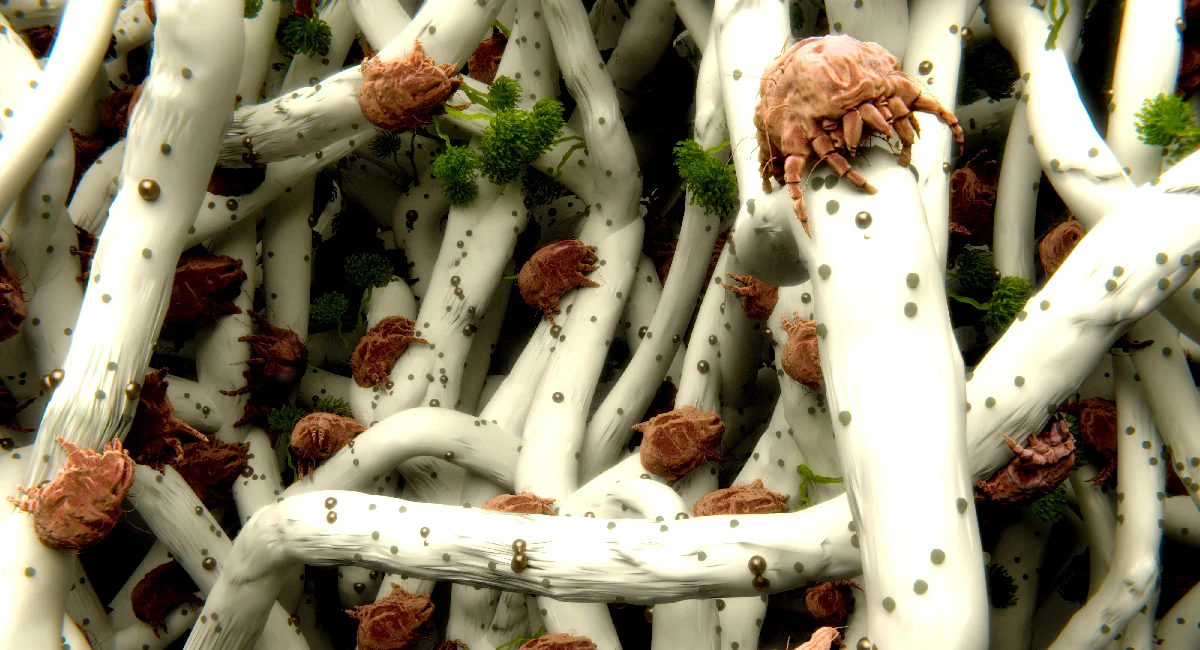
Let’s clear the air immediately: Dust mites do not bite. Unlike bed bugs, fleas, or mosquitoes, dust mites do not have mouthparts designed to pierce human skin, nor do they feed on your blood. Instead, they are scavengers that feast on the microscopic flakes of dead skin cells we shed every day.
If they don't bite, why the itch? The culprit isn't a physical wound; it's a protein found in their waste products (feces) and decaying body parts. When these proteins come into contact with your skin or are inhaled, your immune system may overreact, causing an allergic response that mimics the sensation of being bitten. While you might see redness or feel a "prickling" sensation, you are actually experiencing a localized allergic reaction rather than an insect attack.
Dust mite allergies aren't just skin-deep. Because the allergens are airborne, they often affect your respiratory system and can manifest in several ways throughout the day.
Dust mites thrive in warm, humid environments (above 70% humidity). Your mattress, pillows, and upholstered furniture are their primary "cities" because these items trap the moisture and skin cells they need to survive.
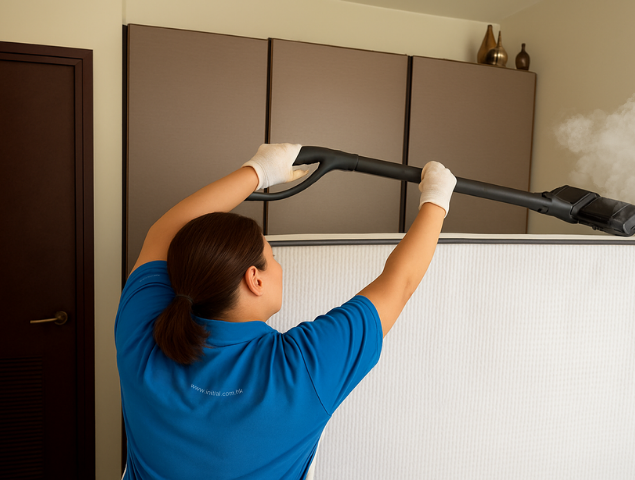
Since you can't "spray" dust mites away like ants, management focuses on environmental control. Your goal is to turn your home into a desert where they cannot survive.
Your bed is the primary source of exposure.
If possible, replace wall-to-wall carpeting with hard flooring in bedrooms. Remove "dust collectors" like heavy drapes, stacks of books, or excessive throw pillows which provide deep sanctuaries for mite populations.
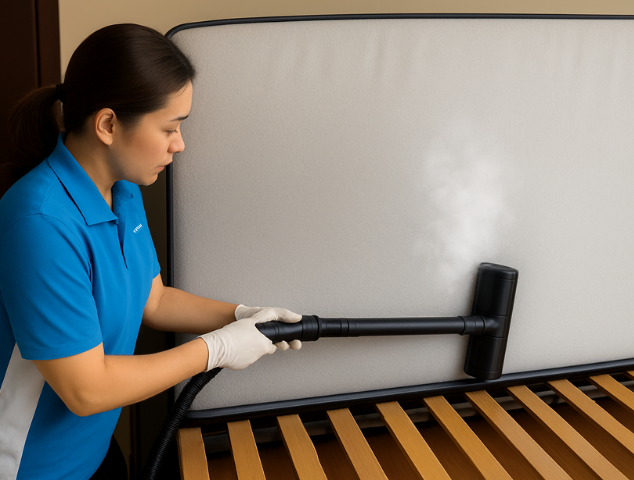
If your symptoms persist despite rigorous home management, it may be time to consult a hygiene specialist who specializes in allergen reduction. While traditional pesticides aren't typically used for mites, professionals can offer high-intensity steam cleaning, or industrial-grade UV-C treatments that reach deeper into upholstery and carpets than household tools can.
A specialist will assess the dust-heavy zones of your home and may perform an allergen test to confirm mite concentration. They will then focus on treating non-washable items like deep mattresses, sofas, and heavy rugs using specialized equipment designed to denature the allergenic proteins that cause your symptoms.
The "dust mite bite" is a myth, but the discomfort of a dust mite allergy is very real. If you are struggling to manage your symptoms or want to ensure your home is truly allergen-free, our team is here to help. Contact us today to schedule a professional hygiene assessment and learn more about our specialized dust mite treatment plans.
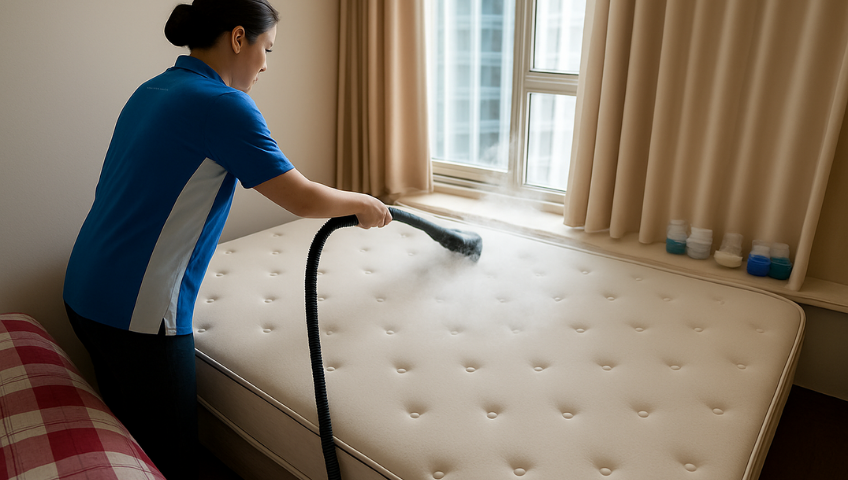
Initial’s comprehensive range of dust mite hygiene solutions for residents can help remove the hygiene threats in your premises.