English
Take me to the site© 2026 Rentokil Initial plc and subject to the conditions in the Legal Statement.
Mould is often seen as a mere nuisance, but its presence in your home can be more hazardous than many realize. This blog aims to clarify what mould is, the mould types commonly found in residential areas, and the health risks associated with mould exposure. By understanding these elements, you can better manage and prevent mould growth in your home.
Mould is a type of fungus that consists of small organisms found almost everywhere. It can be black, white, orange, green, or purple and is most commonly known for its role in nature to break down dead leaves, plants, and trees. Moulds reproduce by means of tiny, lightweight spores that travel through the air. In homes, mould thrives in damp, warm environments and can often be found in places such as basements, kitchens, and bathrooms.
According to the United States Environmental Protection Agency (EPA), mould needs moisture to grow and can start to develop within 48 hours after exposure to water. This makes managing indoor moisture crucial to prevent mould growth (EPA Mould Guide).
Hong Kong summer rainy season of high humidity and high-temperature environment is the most favourable for mould growth. Every year from June to August homeowners may at any time find home items, furniture, walls, etc. with mould spots.
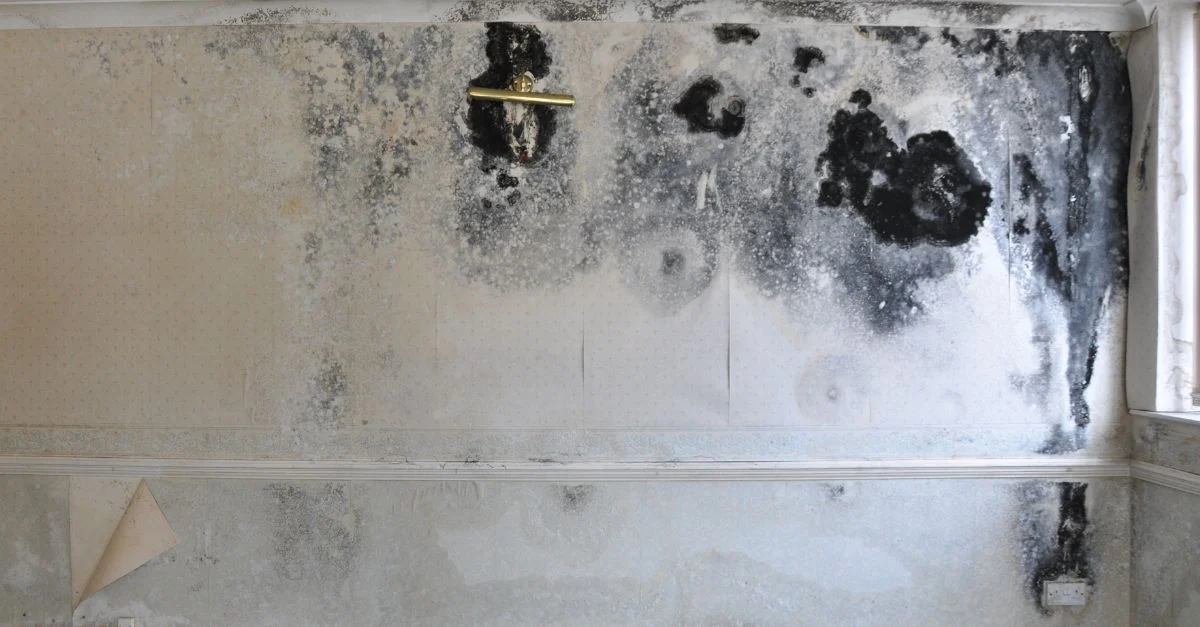
Several types of mould commonly inhabit residential environments, each with its own characteristics and preferred environments:
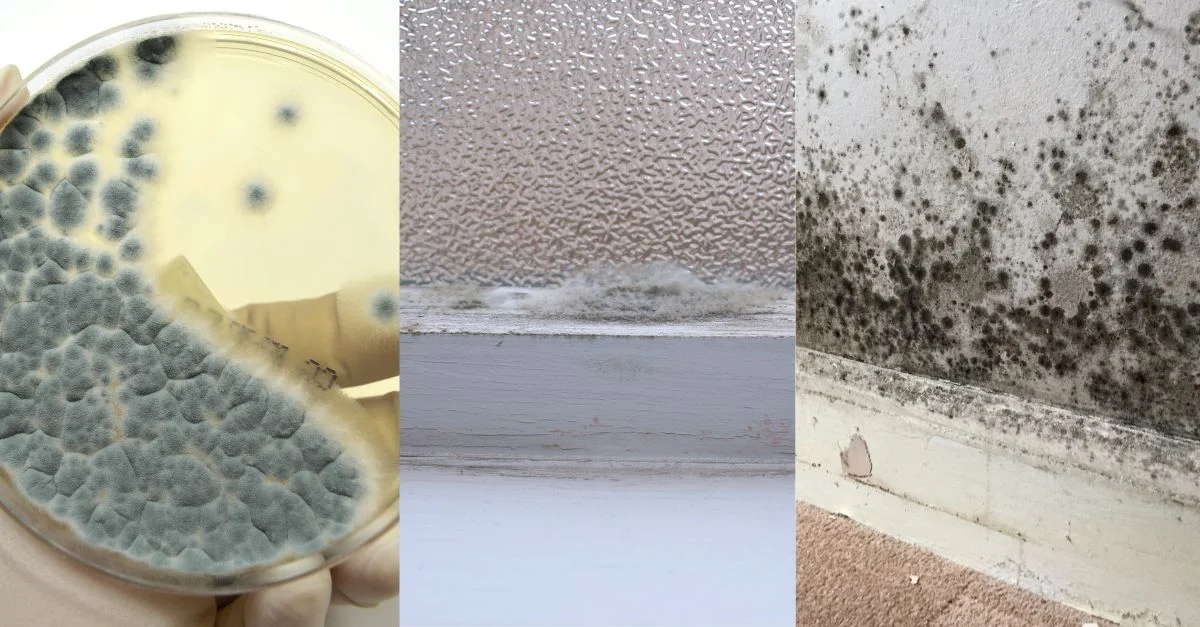
The presence of mould in a home can lead to various health problems, especially when exposure is prolonged.
Individuals with allergies, existing respiratory conditions, or compromised immune systems are particularly at risk, but even healthy individuals can be affected. Common symptoms of mould exposure include sneezing, coughing, throat irritation, nasal congestion, watery eyes, and skin irritation. More severe reactions may include asthma attacks or more serious respiratory complaints.
The Institute of Medicine (IOM) found in 2004 that there was sufficient evidence to link indoor exposure to mould with upper respiratory tract symptoms, cough, and wheeze in otherwise healthy people; with asthma symptoms in people with asthma; and with hypersensitivity pneumonitis in individuals susceptible to that immune-mediated condition.
Just like humans, pets like cats and dogs can suffer from a variety of health issues due to mould exposure. Inhalation of mould spores can lead to respiratory problems such as coughing, sneezing, and difficulty breathing. Pets with preexisting conditions like asthma are particularly vulnerable. Additionally, mould exposure can cause allergic reactions, manifesting as skin irritation, itching, and rashes.
Ingesting mould, whether from contaminated food or by licking mouldy surfaces, can lead to gastrointestinal distress of pets, including vomiting and diarrhea. Chronic exposure can even result in more severe health problems, such as organ damage. Therefore, it’s essential to address mould issues promptly to ensure the safety and well-being of your furry friends. Regular cleaning, proper ventilation, and professional mould removal services can help keep your home a safe environment for all its inhabitants.
Hesitating whether to DIY your mould treatment or call in a professional service? We follow strict health and safety standards, giving you peace of mind that your home is safe and mould-free. With our help, you can avoid the potential health risks and property damage associated with mould.
Struggling with mould on your walls and bathroom? Don’t wait until it becomes a bigger problem. Call Rentokil Initial Hong Kong today to get a free quote and let our professionals handle it for you. Your health and home deserve the best care.
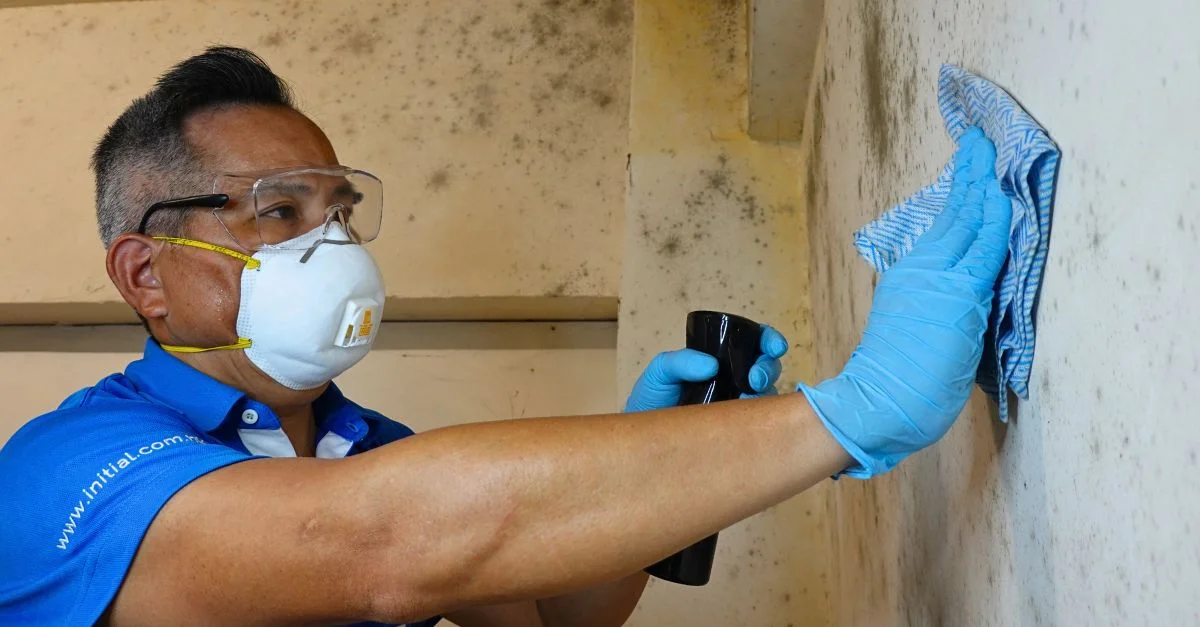
Our innovative mould removal solution:
Initial’s comprehensive range of mould hygiene solutions for residents can help remove the hygiene threats in your premises.