English
Take me to the site© 2026 Rentokil Initial plc and subject to the conditions in the Legal Statement.
Mold is a fungal growth that is very common in buildings and homes. It can be found both indoors and outdoors in all climates and during all seasons of the year. For businesses, especially those providing experiences in the indoor environment it can represent a huge problem for both brand and bottom line – including a hefty maintenance cost if wear and tear issues are accumulated over the years.
The good news is that there are simple steps that business owners can take to treat mold and reduce the chances of it reoccurring.
Mold is spread through microscopic spores that float in the air. It can enter indoor environments through open doorways, windows, vents, and heating and air conditioning systems, and can also attach itself to clothing and shoes.
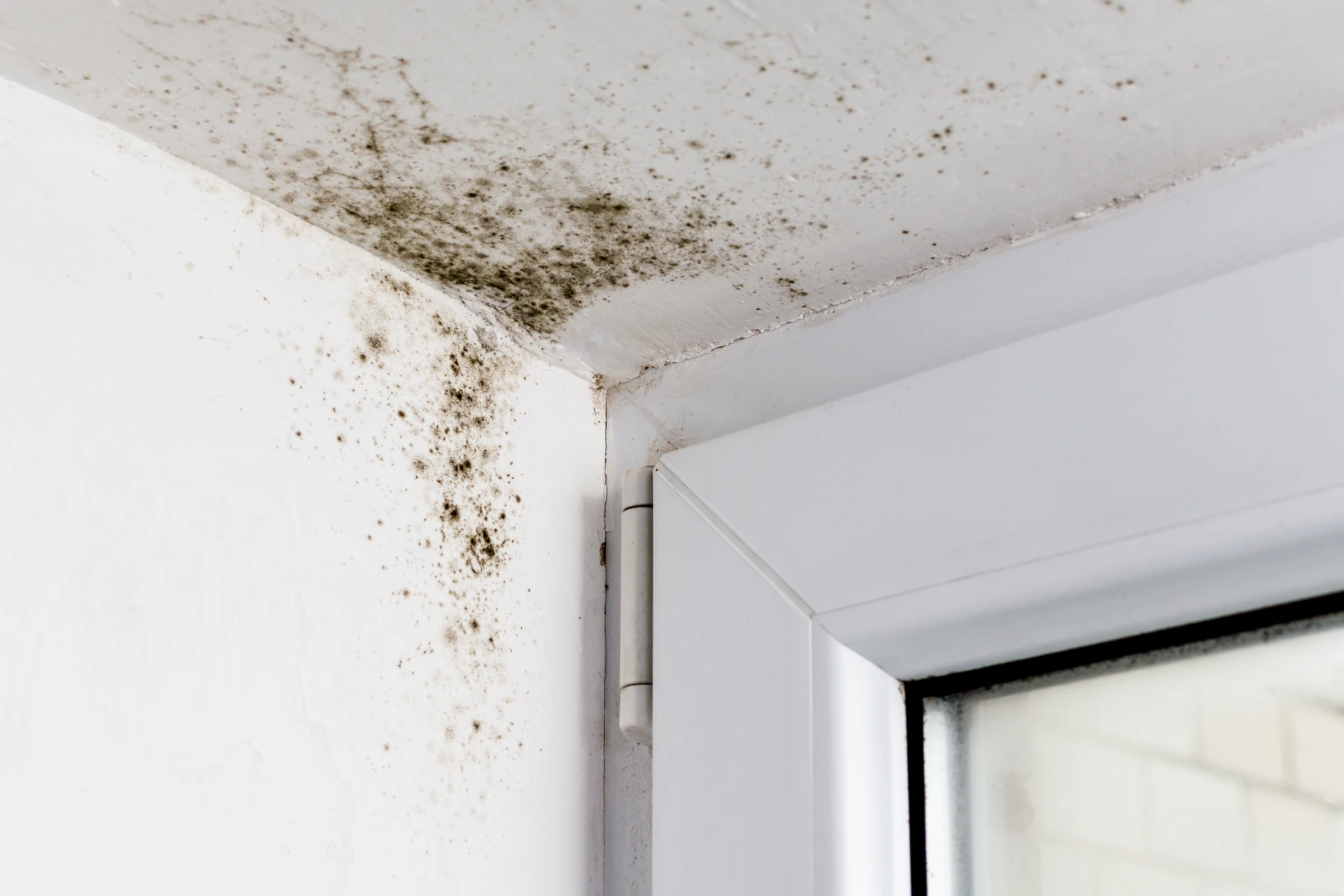
It grows in places with lots of moisture, such as around leaks in roofs, windows or pipes, or where there has been flooding. This makes oft-frequented areas like bathrooms, and high-contact items like furniture and fabrics, easy breeding grounds.
There are many different mold that comes in many different colours and can grow across a wide range of surfaces, including paper, products, cardboard, ceiling tiles, wood, paints, wallpaper, drywall and even carpets, fabrics and upholstery.
Not only is mold unsightly, it can also cause a range of health effects including respiratory issues and allergic reactions. Because of the way many buildings are used and maintained, property and hospitality sectors are at particularly high risk of mold.
Indoor spaces have many features that can make them more susceptible to mold growth. Intense air conditioning systems can create humidity differences that can cause condensation and damp spots, often around window areas, which can favour mold formation. Properties that have large, carpeted floors can also trap dirt from shoes and create dampened areas underneath the carpet that are not immediately visible. Wallpaper in rooms can also capture mold in air pockets, as can pipes and air conditioning systems.

In large commercial properties, mold can grow undetected for a long time due to high and regular traffic, meaning that the problem is not necessarily detected until it is too late – especially in venues with many rooms or multi-sites. Mold will often gather in moist areas like behind dressers or under wallpaper where there are pockets of moisture and condensation, which can make it hard to detect until it’s too late.
If not detected and treated early though, it can result in significant financial and reputational damage – especially if it is first spotted by a customer.
As well as the cost of redecoration and replacing damaged furniture, having to close rooms or parts of the venue for redecoration and repair can cause a loss of income, too. By far, the greater threat lies in long-term reputation damage, which is a real risk in the Instagram age. For facility managers, the presence of unsightly mold patches, and the musty smell that mold produces, can lead to a significant loss of business and reputation.
From a health perspective, exposure to moldy environments can also cause a range of health effects for guests and staff including fatigue, headaches, cold symptoms, respiratory problems and heightened allergies.

It is necessary to inspect buildings on a regular basis for signs of moisture problems. Water vapour innocuously moves in and out of buildings as part of the air that is mechanically introduced or that infiltrates through openings in the building shell. To a lesser degree, water vapour also diffuses into and out of buildings through the building materials themselves. However, these issues can be avoided or controlled to minimize the possibility of damage to the facilities. To reduce the effects of moisture intrusion, facilities managers have to take regular, preventive measures to combat hefty maintenance costs in the long run which could include massive refurbishment projects and unwanted complaints.
Daycare centers are nurturing places for young children to play and learn. But without a sound infrastructure plan in place to keep mold away, they can easily become prime breeding grounds for these fungi. According to a 2022 study by the American Society for Microbiology[1], mold and yeasts are far more common in indoor day-care centers than outside of them.

Some fungi are associated with allergic reactions and respiratory symptoms that may lead to chronic respiratory diseases. Since young children often bring in organic materials such as soil and litter from outside, extra organic matter can be brought indoors and promote mold growth.
Mold growth creates another worry – poor indoor air quality. Mold needs to be controlled in childcare settings to avoid possible health impacts for infants and children, including allergic reactions, asthma, and other respiratory issues. Recent studies have suggested a potential link of early mold exposure to the development of asthma in some children, and that selected interventions that improve housing conditions can reduce morbidity from asthma and respiratory allergies.
As with commerical properties, daycare centers trade on their reputation, which means assuring parents above all else that their children are being looked after in a safe, clean and healthy environment. The first visible signs of mold within the building can have severe consequences for a daycare center’s long-term reputation, and any closure for prolonged repair work can be costly in terms of lost revenue.
With mold, the old cliché is true: prevention is better than cure. Regularly taking steps to reduce the conditions that can give rise to mold growth is well worth the time.
One of the best ways to do this is by reducing water and moisture by preventing or quickly fixing any leaks and reducing conditions that lead to condensation, for example by using dehumidifiers in hotel rooms. Ensuring adequate ventilation, particularly in showers, laundry rooms and cooking areas, and removing any carpets or upholstery that have been soaked and cannot be dried right away is also key. Business owners are also recommended to add mold inhibitors to paints before decorating and cleaning bathrooms with mold-killing products as standard practices.
Even with these steps, mold is still possible, but the good news is that there are a number of early-warning signs that business owners can use to detect it before the problem becomes severe.
One of the first warning signs of mold is a stale, musty odour. Peeling wallpaper, the appearance of dark grouting between bathroom tiles, staining on walls or ceilings, strange smells from air conditioning or heating units and dark or coloured spots on walls can also be tell-tale signs that mold is present. As the mold spreads and grows in quantity, the odours will get stronger, and discolouration will be more apparent.
Business owners should also pay close attention to the health of their staff, as physical symptoms like persistent headaches and cold symptoms, worsening asthma, fatigue, and seasonal allergies, can also point to mold within the building and should be another reason to investigate.
For large establishments, especially multi-building commercial spaces and large indoor facilities, providing mandatory staff training on how to detect mold, and making it a core job responsibility as part of routine cleaning and inspections, can also help with early detection. It is key to look out for the warning signs of mold before it gets out of hand. Installing a good industrial dehumidifier can restore normal humidity, remove excess moisture, prevent the growth of pathogenic microbes of mold and improve your indoor air quality. Rentokil Initial highly recommends the use of an industrial-grade HEPA-equipped industrial dehumidifier as key maintenance after thorough mold remediation.
If you suspect you may have mold within your business, a professional survey is recommended to deal with the problem quickly and thoroughly before it spreads further.
At Rentokil Initial, our industry-certified experts in mold remediation can conduct a thorough survey to assess the presence of mold and treat it. We pride ourselves on offering a fuss-free service that can be arranged according to your needs to avoid business disruption.
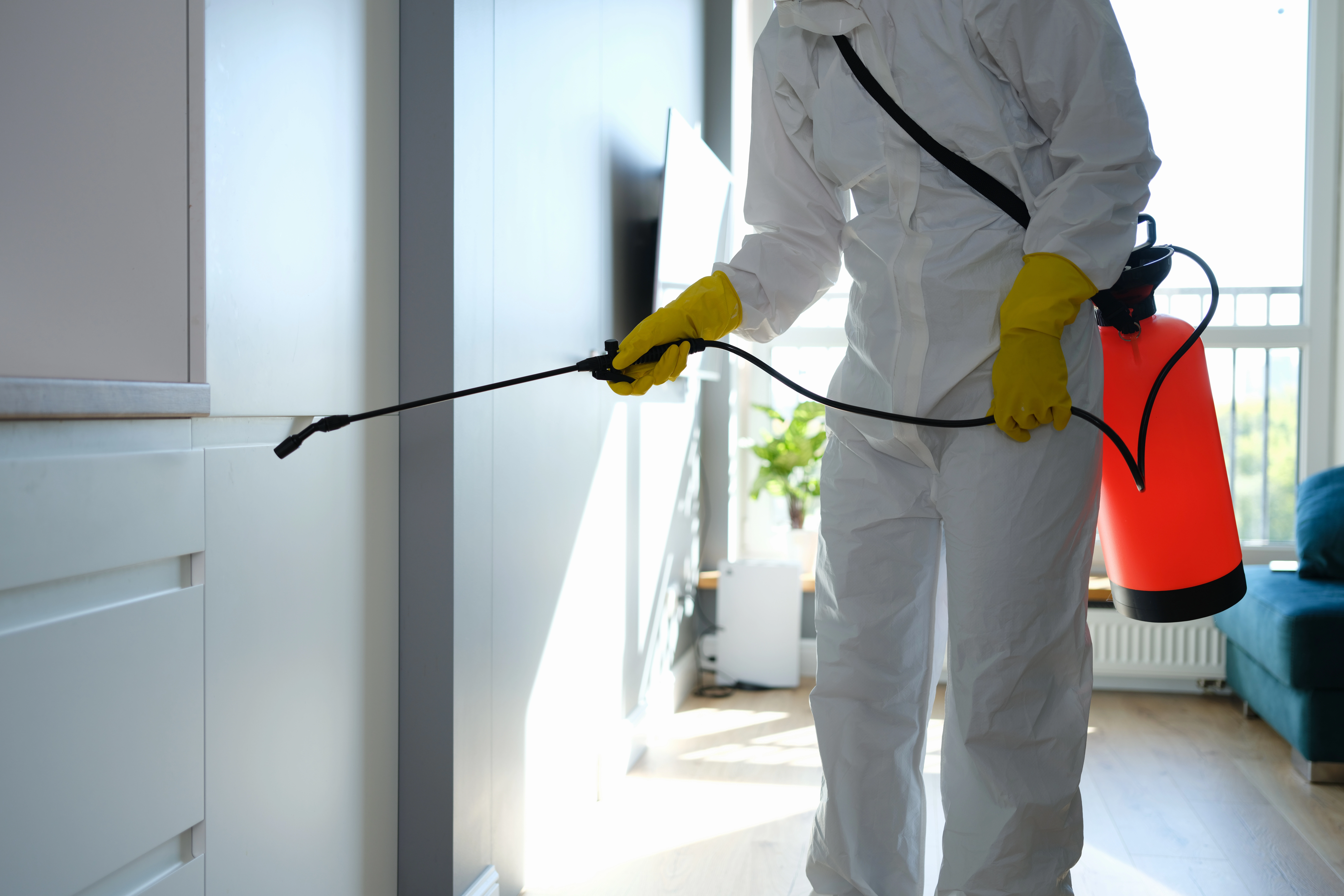
Our remediation process by our expert professional uses a non-toxic chemical, providing lasting protection against mold and mildew without leaving a harsh odour in your home and safe for the environment.
Prevent infection with Initial’s integrated essential environmental hygiene solutions
Initial’s comprehensive range of cubicle hygiene solutions for businesses can help control the hygiene standards in your premises.