myInitial
myInitial login© 2026 Rentokil Initial plc and subject to the conditions in the Legal statement
Maintaining high standards of surface hygiene in the workplace has become an important consideration for many Australian businesses. With shared spaces, high-touch points, and busy environments, surfaces can quickly accumulate contaminants throughout the day.
This raises a common question: is poor surface hygiene contributing to increased workplace illness? While no single factor determines employee health, maintaining clean and hygienic surfaces can play a meaningful role in supporting a healthier workplace environment.
In most workplaces, employees regularly interact with shared surfaces such as desks, door handles, lift buttons, kitchen areas, and meeting rooms. These high-touch points can collect and transfer common germs if not cleaned appropriately.
Maintaining good surface hygiene helps to:
Rather than focusing on eliminating all germs—which is not realistic—effective surface hygiene is about consistent cleaning practices that support day-to-day operations.
When surface hygiene is not maintained consistently, contaminants may build up over time, particularly in high-traffic areas. This can affect both perception and practicality within the workplace.
Some potential impacts include:
Shared equipment and touchpoints can transfer contaminants from one area to another throughout the day.
Employees may feel less confident using shared facilities if surfaces appear unclean or poorly maintained.
While many factors influence absenteeism, maintaining a hygienic environment can support smoother day-to-day operations by reducing environmental hygiene risks.
It is important to note that workplace illness is influenced by multiple factors, including personal health, ventilation, and external exposure. However, surface hygiene remains a key controllable element within a business environment.
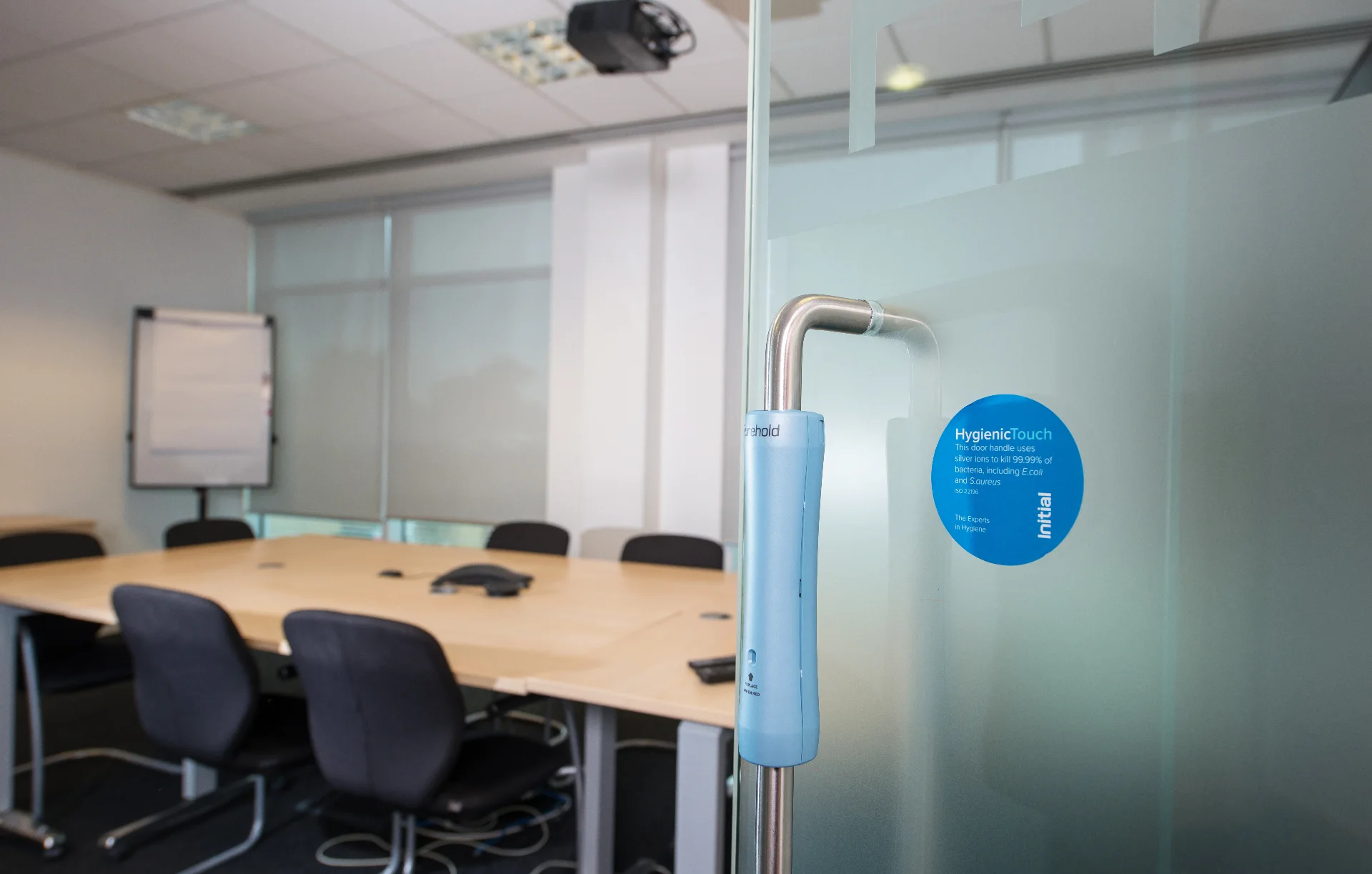
Even in workplaces with regular cleaning routines, some areas may require additional attention due to frequent use.
These include:
Focusing on these high-contact points can significantly improve overall surface hygiene standards.
An effective approach to surface hygiene goes beyond occasional cleaning. It involves consistent, structured practices that align with workplace usage.
Best practice typically includes:
High-touch surfaces should be cleaned frequently based on usage levels rather than fixed routines alone.
Using professional-grade products and techniques designed for commercial environments helps achieve reliable results.
Ensuring that cleaning responsibilities are defined—whether in-house or outsourced—helps maintain consistency.
Workplace needs can change, so reviewing cleaning frequency and focus areas ensures standards remain appropriate.
For many businesses, partnering with a professional provider can help maintain consistent surface hygiene standards without placing additional pressure on internal teams.
Professional surface hygiene services may offer:
This structured approach helps ensure that hygiene practices are maintained reliably over time.
Improving surface hygiene does not necessarily require major changes. Small, consistent actions can make a meaningful difference.
Consider:
These steps can help support a cleaner and more hygienic environment for everyone.
While poor surface hygiene is only one of many factors that can influence workplace wellbeing, it is an area businesses can actively manage. By maintaining consistent cleaning practices and focusing on high-use surfaces, organisations can support a more hygienic and comfortable workplace.
A considered approach to surface hygiene not only enhances cleanliness but also reinforces a positive experience for employees and visitors alike.
Initial Hygiene is leading the way air, hand and surface hygiene innovation to meet the demand of any environment. Get in touch today on 1300 73 1234 or contact us here for free, no obligation assessment of your current hygiene services.
Initial sanitary bins offer superior feminine hygiene solutions, providing discreet, convenient options to ensure comfort and cleanliness.