myInitial
myInitial login© 2026 Rentokil Initial plc and subject to the conditions in the Legal statement
In an era where hand washing hygiene in Australia plays a crucial role in workplace cleanliness and wellbeing, the simple act of hand washing stands as one of the most potent and accessible tools in preventing the spread of illness. At Initial Hygiene Australia, we understand that while the concept of hand hygiene is widely recognised, the rigorous application of proper technique is often overlooked. This article aims to elucidate the critical steps involved in effective hand washing, providing a comprehensive guide relevant for individuals, educational institutions, commercial enterprises, and healthcare providers across Australia.
The efficacy of hand washing hygiene in Australia in mitigating the transmission of pathogens cannot be overstated. Our hands are constant points of contact with the environment, acting as vectors for myriad microorganisms. From shared equipment in the workplace to public transport surfaces, the potential for germ transfer is omnipresent. Consequently, the act of touching one's face with contaminated hands can directly lead to the ingress of viruses and bacteria into the body, initiating infections. A meticulous hand washing regimen physically removes these contaminants, significantly reducing the risk of personal illness and, critically, safeguarding the wider community.
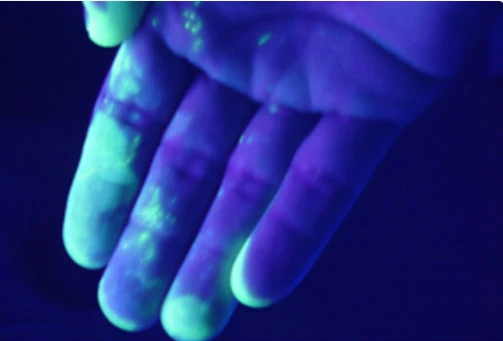
While the basic premise of washing hands with soap and water is straightforward, achieving optimal cleanliness requires adherence to a specific methodology. The following six-step process, recommended by health authorities globally, ensures comprehensive coverage and effective removal of microbial load. This entire procedure, from wetting to drying, should ideally take a minimum of 20 seconds, a duration equivalent to humming the Australian national anthem twice.
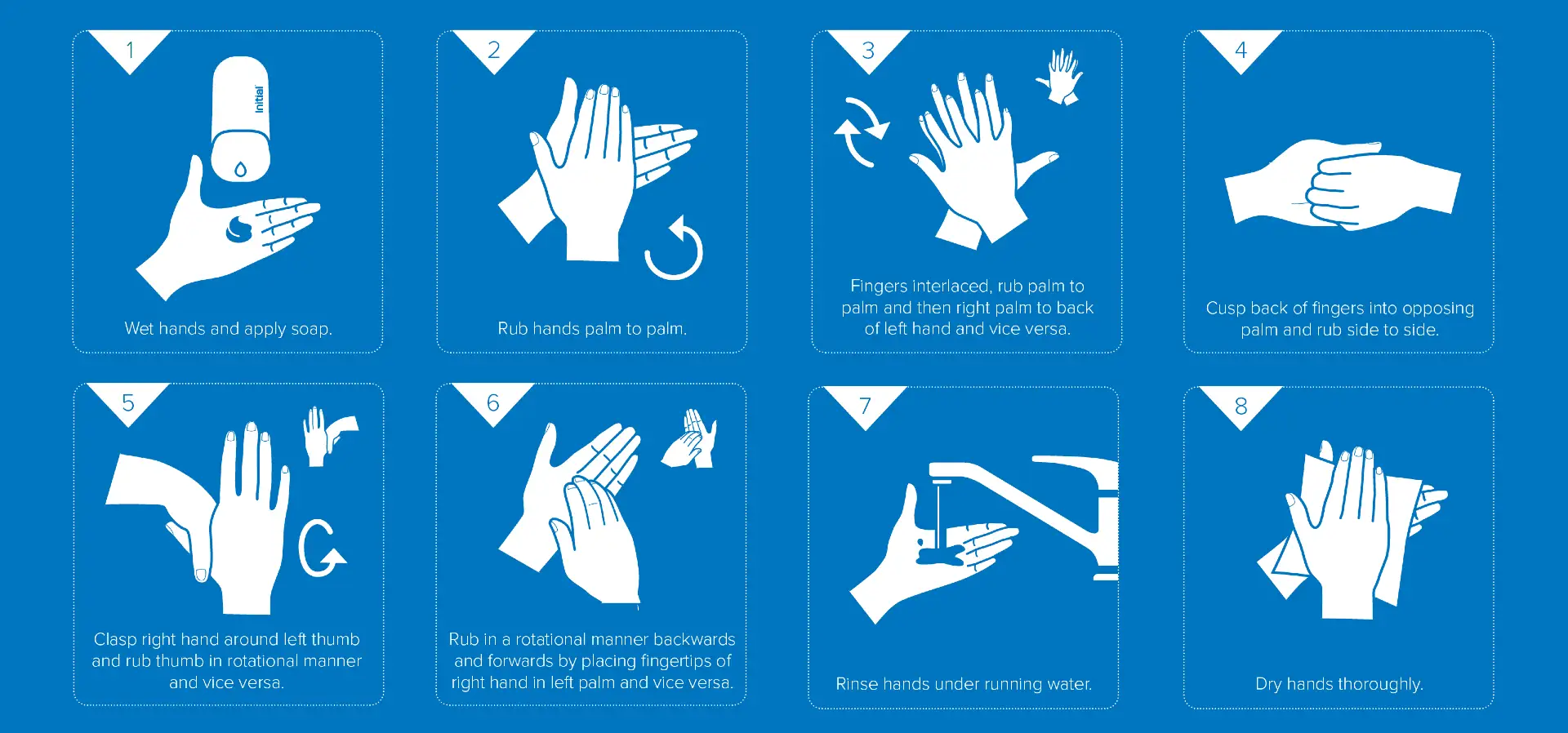
Commence by wetting hands thoroughly under clean, running water. The temperature of the water (warm or cold) is less significant than its continuous flow, which aids in flushing away dislodged contaminants.
Dispense an adequate amount of liquid, bar, or powdered soap to adequately cover all surfaces of the hands. The soap's primary function is to emulsify oils and dirt, enabling the mechanical removal of germs.
Generate a rich lather by rubbing palms together. This initial friction begins the process of loosening dirt and microorganisms from the skin's surface.
Place the palm of one hand over the back of the other, interlacing fingers and rubbing the interdigital spaces. This action addresses the often-neglected areas on the back of the hands and between the digits, where germs frequently accumulate. Repeat this action for the opposite hand.
Interlace fingers with palms facing each other and rub them together, ensuring thorough cleaning of the inner surfaces of the fingers. Subsequently, cup each thumb within the opposite hand and rub in a rotating motion. The thumbs are frequently overlooked during general hand washing, yet they are key contact points.
Conclude the active washing phase by rubbing the tips of the fingers in the palm of the opposite hand in a circular motion. This step is crucial for dislodging germs from beneath the fingernails, a common harbour for pathogens. For situations involving significant contamination, or simply as a good practice, extend the washing to include the wrists.
Rinse hands thoroughly under clean, running water until all traces of soap are removed. Finally, dry hands completely using a clean, single-use paper towel, a dedicated clean cloth towel, or an air dryer. In public settings, utilising a paper towel to turn off the tap after drying can prevent re-contamination from potentially soiled tap handles.
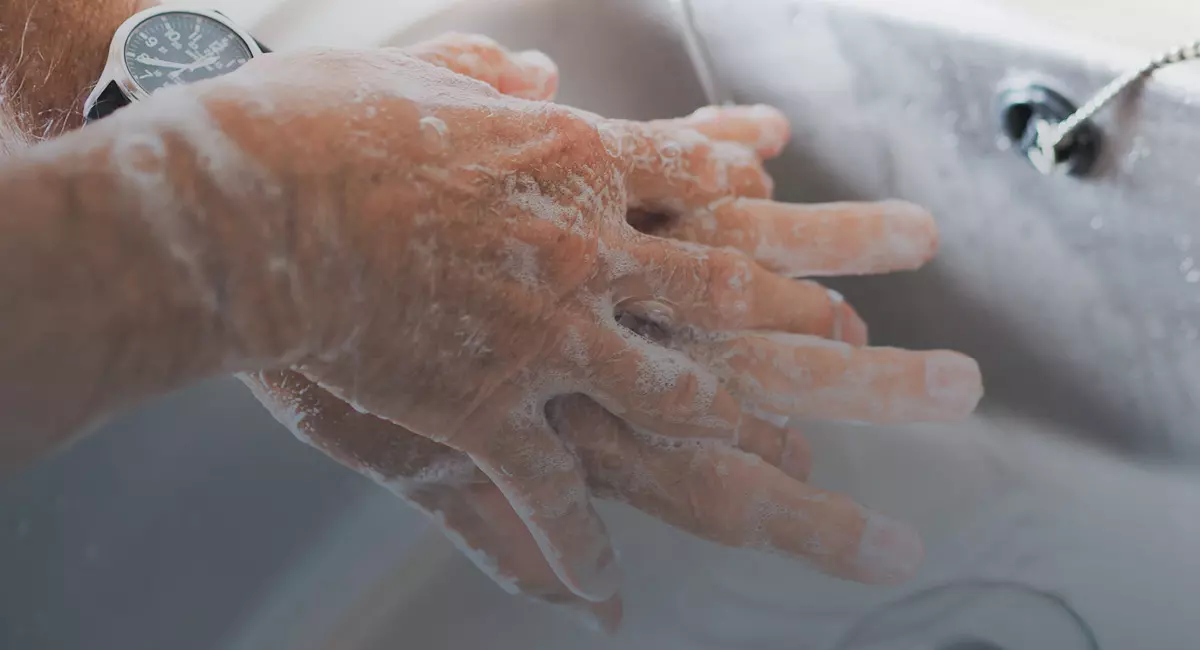
Beyond routine daily hygiene, there are specific instances where rigorous hand washing is critically important:
By consistently applying these principles of effective hand washing, individuals can significantly contribute to their personal health and the collective well-being of the Australian community. Initial Hygiene Australia remains committed to promoting best practices in hygiene, providing the resources and expertise necessary to foster healthier environments across all sectors.
Initial Hygiene is leading the way air, hand and surface hygiene innovation to meet the demand of any environment. Get in touch today on 1300 73 1234 or contact us here for free, no obligation assessment of your current hygiene services.
Hand hygiene is more important than ever before. Initial supports a wide range of soap and sanitiser solutions to suit all industries.Hand hygiene is more important than ever before. Initial supports a wide range of soap and sanitiser solutions to suit all industries.