myInitial
myInitial login© 2026 Rentokil Initial plc and subject to the conditions in the Legal statement
Maintaining consistent hygiene standards in commercial workplaces can be challenging, particularly in environments with high foot traffic and shared facilities. From offices and retail spaces to healthcare and education settings, hygiene plays an important role in how a business operates and is perceived.
Understanding the most common hygiene issues can help organisations identify gaps and implement more effective solutions. In many cases, structured hygiene services can support businesses in maintaining cleaner, more organised environments.
Hygiene in commercial workplaces goes beyond appearance. It supports employee comfort, helps maintain a professional environment, and contributes to a positive experience for customers and visitors.
Maintaining good hygiene standards helps to:
Even small hygiene issues, if left unaddressed, can affect how a business is viewed.
One of the most common challenges is inconsistent cleaning. While some areas may be maintained regularly, others—particularly less visible spaces—may receive less attention.
This can lead to:
A structured approach to cleaning and servicing helps maintain consistency across all areas.
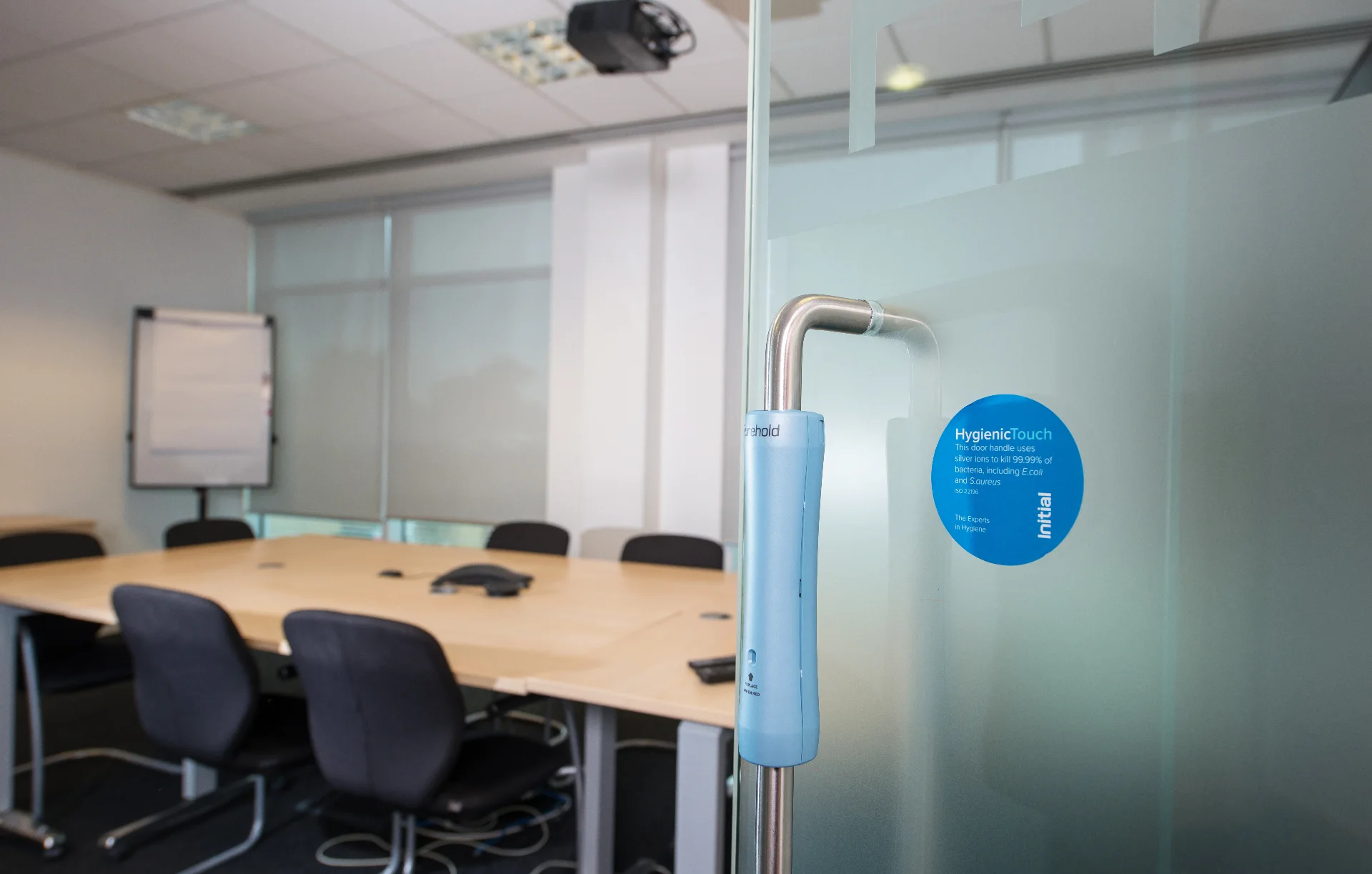
High-touch surfaces are used frequently throughout the day and can accumulate contaminants quickly if not cleaned regularly.
Common examples include:
Focusing on these areas is essential for maintaining effective hygiene standards in busy environments.
Waste management is a key component of workplace hygiene. When systems are not designed or maintained appropriately, issues can arise quickly.
Typical challenges include:
Professional hygiene services can help ensure waste is managed in a structured and reliable way.
Running out of essential consumables can impact both hygiene practices and user experience. This includes items such as:
Without consistent monitoring and replenishment, these shortages can disrupt daily operations.
Odours in washrooms, kitchens, or communal areas can affect how a workplace is perceived, even if surfaces appear clean.
Common causes include:
Addressing odour sources through regular servicing and appropriate solutions supports a more comfortable environment.
Older or unsuitable equipment can make it more difficult to maintain hygiene standards effectively.
Examples include:
Upgrading to modern, purpose-designed solutions can improve both functionality and hygiene outcomes.
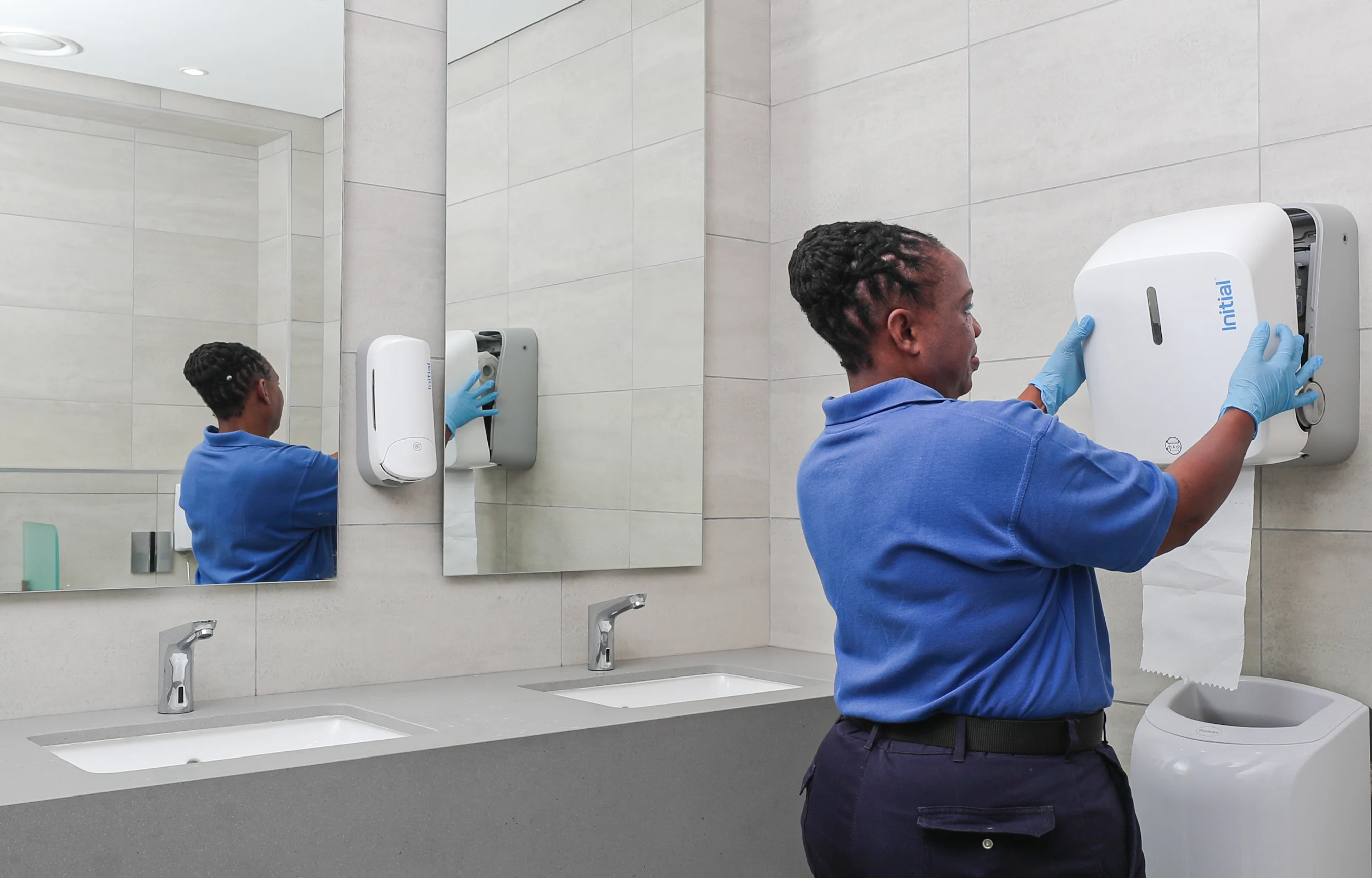
In some workplaces, hygiene responsibilities may not be clearly defined or consistently managed. This can result in gaps across cleaning, servicing, and maintenance.
Improving structure may involve:
A more organised approach helps ensure that standards are maintained over time.
Managing hygiene across a commercial workplace can be complex, particularly as businesses grow or operate across multiple locations.
Professional hygiene services can support by:
This structured approach helps businesses maintain consistent hygiene standards without placing additional pressure on internal teams.
Improving workplace hygiene does not require a complete overhaul. Small, consistent improvements can have a meaningful impact.
Businesses may consider:
These steps can help maintain a cleaner and more organised workplace environment.
Common hygiene issues in commercial workplaces often arise from inconsistency, lack of structure, or unsuitable systems. By identifying these challenges and implementing practical solutions, businesses can support a more hygienic and professional environment.
Partnering with experienced hygiene services providers can further enhance consistency and reliability, helping organisations maintain high standards over time.
Initial Hygiene is leading the way air, hand and surface hygiene innovation to meet the demand of any environment. Get in touch today on 1300 73 1234 or contact us here for free, no obligation assessment of your current hygiene services.
Employee and customer expectation on hygiene is higher than ever before.