myInitial
myInitial login© 2026 Rentokil Initial plc and subject to the conditions in the Legal statement
Washroom facilities are an essential part of every workplace. In Australia, businesses are expected to provide clean, accessible, and appropriately equipped washrooms that support employee wellbeing and workplace hygiene standards.
Understanding what workplaces must provide in their washrooms can help businesses maintain compliance, improve user experience, and create a more professional environment for employees and visitors alike.
Washrooms are high-use, shared spaces that require ongoing attention to maintain hygiene and functionality. Poorly maintained facilities can affect workplace presentation, employee comfort, and overall experience.
Maintaining good washroom hygiene helps businesses to:
Providing suitable washroom facilities is not only practical—it is also an important part of workplace responsibility.
Australian workplaces are generally required to provide employees with access to suitable toilet facilities. These facilities should be:
The number of facilities required may vary depending on workplace occupancy and local regulations.
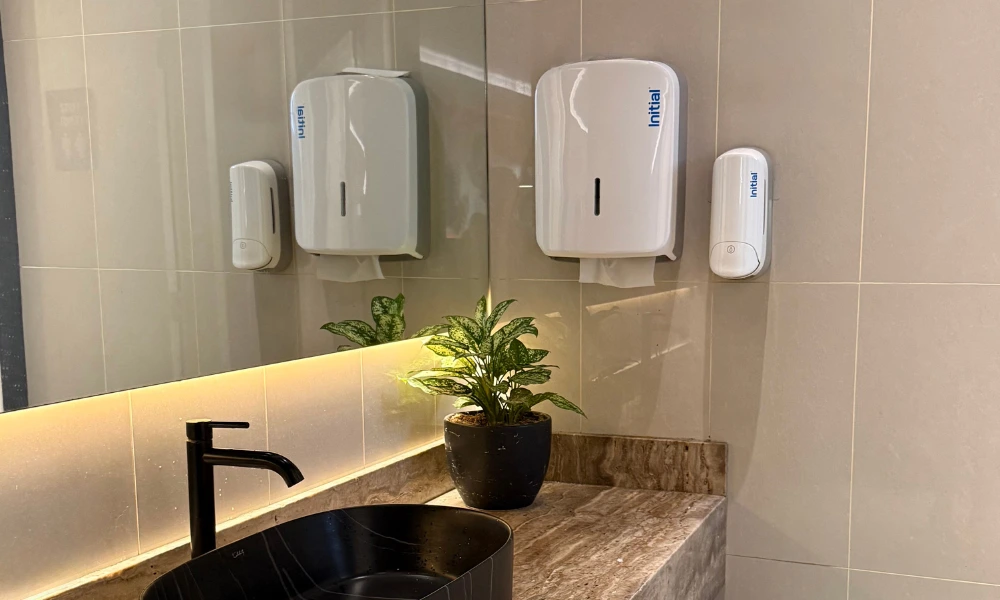
Effective hand hygiene is an important part of maintaining washroom hygiene standards. Workplaces are expected to provide suitable hand washing facilities, including:
These facilities help support consistent hygiene practices within the workplace.
Female and unisex washrooms should include appropriate sanitary disposal facilities. Providing sanitary bins supports hygiene standards and helps maintain a cleaner washroom environment.
Sanitary bins help to:
Regular servicing is also important to ensure these facilities remain hygienic and functional.
Washrooms should include suitable waste disposal units to support cleanliness and organisation.
This may include:
Appropriate waste management helps maintain hygiene standards and supports a more comfortable user experience.
Providing washroom facilities is only part of the requirement—businesses must also ensure that these spaces are maintained appropriately.
This includes:
Consistent servicing and maintenance help ensure facilities remain suitable for ongoing use.
Modern workplaces are increasingly focused on creating inclusive and accessible environments. Washroom facilities should be practical and suitable for a diverse workforce and visitor base.
Businesses may consider:
These measures contribute to a more inclusive workplace experience.
Managing washroom hygiene internally can be challenging, particularly in larger or high-traffic workplaces. Professional hygiene services can help businesses maintain consistent standards and simplify facility management.
These services may include:
A structured approach helps businesses maintain reliable hygiene standards across all facilities.
Maintaining compliant and hygienic washroom facilities requires ongoing attention rather than reactive maintenance. Businesses that take a proactive approach are better positioned to support employee comfort and workplace presentation.
Practical steps include:
These measures help create a more consistent and professional environment.
Australian workplaces are expected to provide clean, functional, and appropriately equipped washroom facilities that support workplace hygiene standards and employee wellbeing.
By ensuring that facilities include suitable hand hygiene systems, sanitary disposal units, and regular maintenance, businesses can create a more hygienic, inclusive, and professional environment for everyone who uses the space.
Initial Hygiene is leading the way air, hand and surface hygiene innovation to meet the demand of any environment. Get in touch today on 1300 73 1234 or contact us here for free, no obligation assessment of your current hygiene services.
Create confidence and reassurance in your workplace with the range of innovative and hygiene washroom solutions.