myInitial
myInitial login© 2026 Rentokil Initial plc and subject to the conditions in the Legal statement
Selecting the optimal hand drying system for commercial washrooms requires a balanced evaluation of hygiene requirements, operational costs, footfall patterns, and user experience. Proper hand drying is a critical component of infection control, as damp hands transfer significantly more bacteria to surrounding surfaces than dry skin. Deciding between single-use paper towels and electric air dryers involves weighing distinct operational trade-offs for commercial facilities. Initial provides fully managed washroom solutions engineered to optimise hand hygiene, control consumable expenditure, and enhance overall facility management.
Hygiene standards vary across commercial sectors, making infection control a primary consideration when choosing hand drying infrastructure. Using a single-use paper hand towel physically removes remaining bacteria from skin through mechanical friction during the drying process, whereas high-speed air dryers can disperse residual moisture droplets into ambient air if hands are not thoroughly washed. In clinically sensitive environments such as healthcare facilities, food preparation zones, and childcare centres, single-use paper systems remain the preferred choice for preventing cross-contamination and maintaining stringent sanitation standards.
Noise levels generated by high-speed air dryers present operational challenges in acoustically sensitive environments such as corporate offices, schools, and executive venues. Commercial paper towel dispensers operate silently, providing a quiet hand drying experience that maintains spatial acoustics across shared commercial properties:
Acoustic sensitivity: Low-noise hand drying preserves quiet working environments near office washrooms and educational spaces.
User comfort: Silent dispensing options prevent sensory overload for young children, elderly visitors, and neurodivergent venue occupants.
Managing visitor traffic flow during peak hours demands efficient hand drying equipment that prevents washroom bottlenecks. High-speed electric hand dryers dry hands in ten to twelve seconds, allowing continuous visitor movement without relying on consumable stock levels. However, if visitor volume surges suddenly, paper drying stations allow multiple users to pull sheets simultaneously from separate dispensers, supporting rapid hand drying without creating queues near electrical fixtures or doorways.
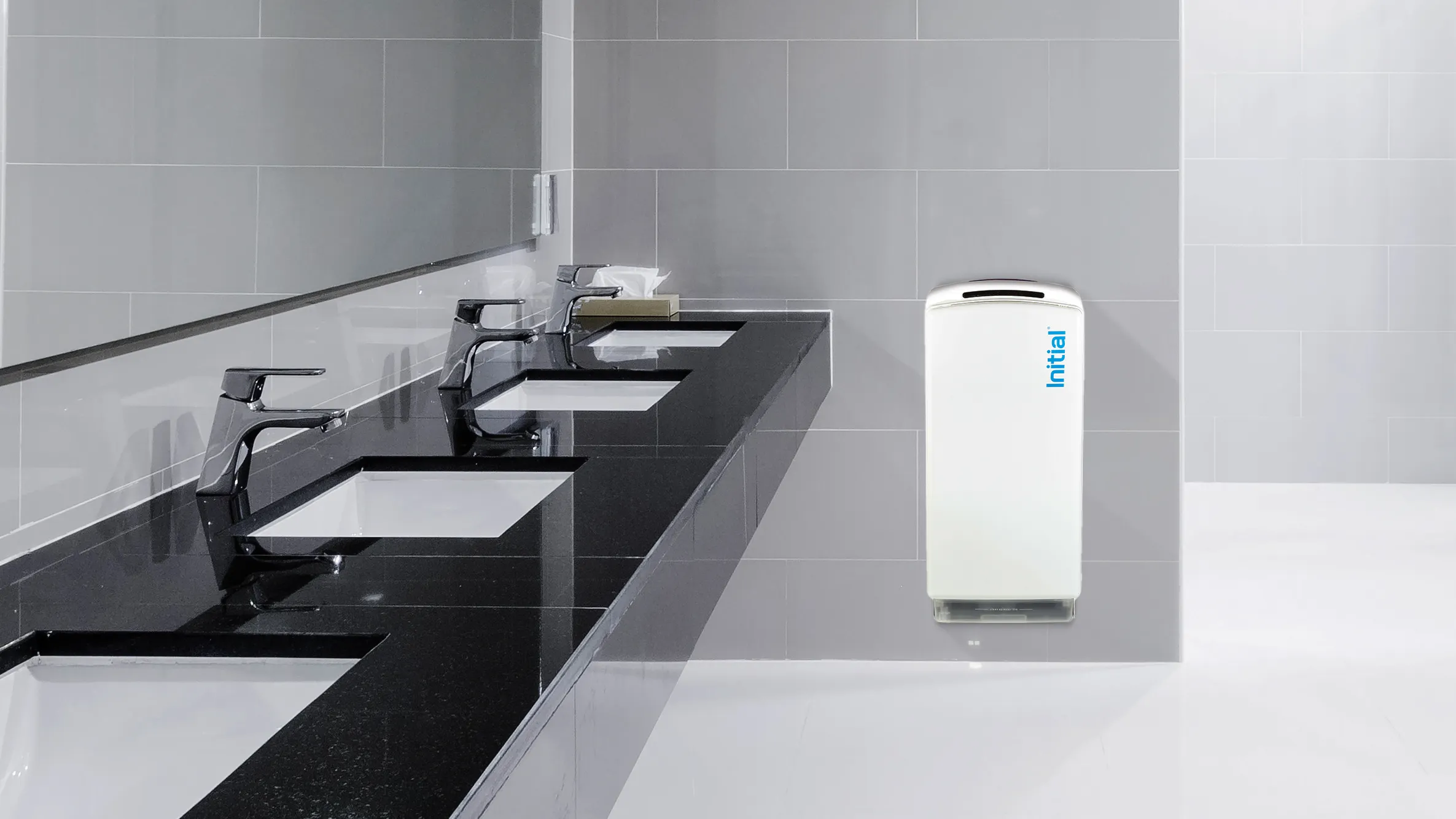
Financial considerations differ markedly between paper consumables and electrical infrastructure over the operational lifecycle of a commercial property. Electric hand dryers require higher upfront capital investment and electrical installation but incur negligible ongoing running costs, whereas paper systems involve recurring consumable orders balanced by precise portion control technology:
Consumable control: Modern lockable paper towel dispensers with autocut mechanisms deliver pre-measured sheet lengths to prevent excessive paper waste.
Energy efficiency: High-efficiency air dryers reduce overall carbon footprints by eliminating paper manufacturing, transport, and disposal logistics.
Janitorial labour requirements differ significantly between air dryers and paper towel systems across multi-floor commercial buildings. Paper towel dispensers require regular staff monitoring, stock replenishment, and waste bin emptying to prevent overflowing receptacles and unsightly floor litter. Conversely, electric hand dryers eliminate paper waste handling entirely, freeing janitorial teams to focus on critical surface disinfection and deep-cleaning protocols across the property.
Commercial facility managers must align hand drying infrastructure with specific site demands, footfall volumes, and industry regulations. Combining both drying options across different zones within a single facility often delivers the ideal balance between hygiene control and operational efficiency:
Healthcare standards: Deploying a single-use paper hand towel in clinical bays guarantees maximum friction drying and pathogen removal.
High-traffic precincts: Installing high-speed electric dryers in stadium or transit washrooms minimises maintenance demands and paper litter.
Choosing between paper hand towels and electric hand dryers depends on evaluating site-specific hygiene standards, visitor traffic, maintenance resources, and budget allocations. While paper systems offer superior friction drying and silent operation, electric hand dryers excel in reducing ongoing waste and janitorial labour. Initial delivers end-to-end washroom management solutions, offering precision paper towel dispensers, high-efficiency hand dryers, and tailored maintenance services to ensure commercial washrooms operate at peak hygiene and performance.
Initial Hygiene supplies and services a wide range of soaps, sanitisers and sanitiser stand equipment. Get in touch today on 1300 187 162 or contact us here for free, no obligation assessment of your current clinical & medical waste processes.
Hand hygiene is more important than ever before. Initial supports a wide range of soap and sanitiser solutions to suit all industries.Hand hygiene is more important than ever before. Initial supports a wide range of soap and sanitiser solutions to suit all industries.