myInitial
Manage your business
myInitial login
Ever wondered where your sanitary pads go after you drop them into those slim, specialised bins in public restrooms? Many people assume it is treated just like regular trash or, maybe, gets burned as hazardous clinical waste.
In reality, the process is a carefully managed, multi-step journey designed to prioritise hygiene, safety, and environmental responsibility. Here is a look at the life cycle of sanitary waste, based on professional Standard Operating Procedures (SOPs).
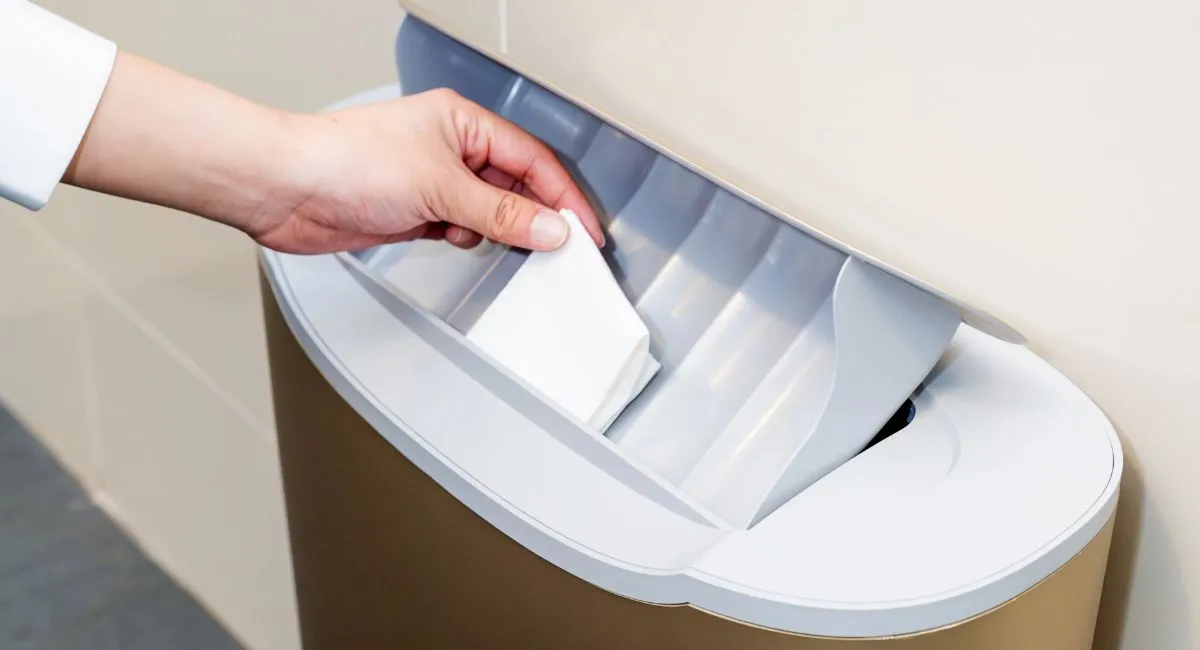
The process starts the moment a sanitary pad is placed inside the bin. Inside each unit, a plastic liner bag holds the waste, while a specialised antibacterial agent—such as a vapourising disinfectant block—goes to work.
Vapour Power: Once disposed of, the pads come into direct contact with a vapourising disinfecting agent placed within the bin.
Odour & Germ Control: This continuous vapor neutralises bacteria and stops unpleasant odours at the source, ensuring the washroom stays clean, fresh, and hygienic for the next user.
You won't see the regular cleaning crew handling these bins. Instead, specialised service technicians take over using our On-Site Sanitation (OSS) process.
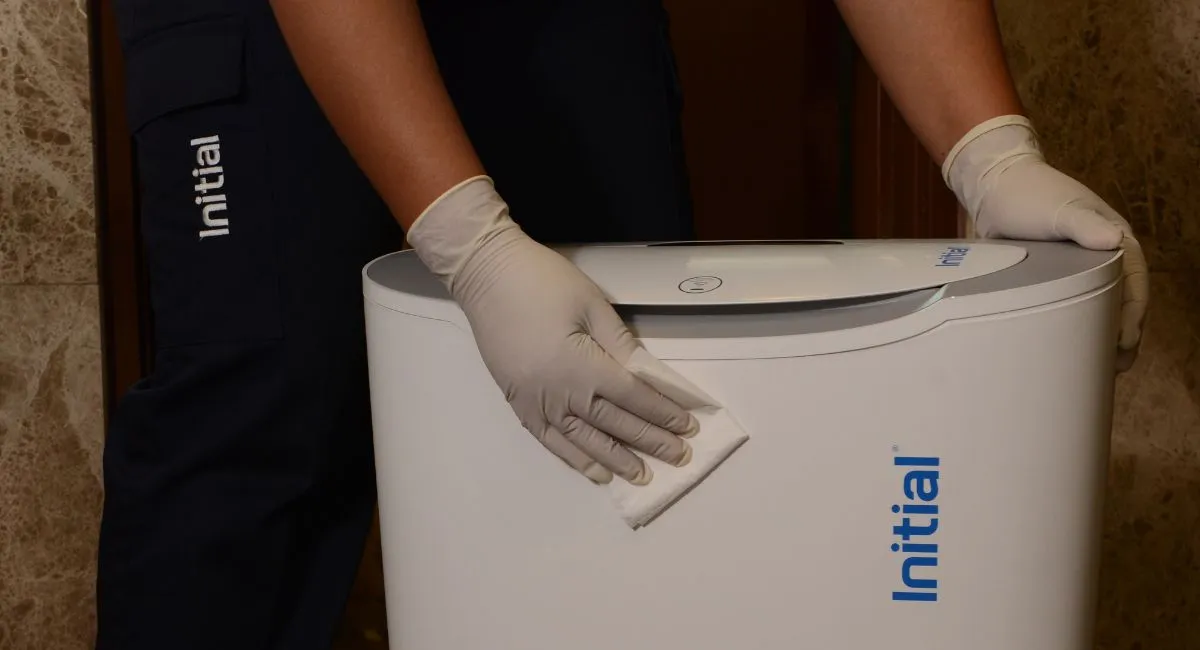
There is a common misconception that sanitary waste must be incinerated like clinical waste (e.g., used syringes or surgical waste). However, according to official SHE (Safety, Health, and Environment) guidelines, sanitary waste does not fall into the clinical waste category.
It might seem easier to just use the big open bin by the sink, but it poses a significant hygiene risk. Most regular commercial bins don't have covers. When used pads are thrown into an open bin, they are exposed to the air, which can spread unpleasant odours and—more importantly—germs and bacteria to everyone else using the washroom.
Therefore, by using the specialised sanitary bin instead, you are helping in three big ways:
So, next time you see this bin, you will know it’s part of a high-tech system designed to keep everyone healthy and the environment a little bit cleaner!
Create confidence and reassurance in your workplace with the range of innovative and hygiene washroom solutions.