myInitial
Manage your business
myInitial login

In Malaysia, most of us are familiar with the heat, rain, and high humidity. However, what many people don’t realise is how much our tropical climate can affect the health of our indoor air. The hot and humid weather makes our homes an ideal place for mould to grow.
Mould doesn’t just leave stains or musty smells; it can release tiny spores that affect indoor air quality and trigger health issues. According to the Centers for Disease Control and Prevention (CDC), mould exposure leads to a variety of health effects — from a stuffy nose, sore throat, coughing or wheezing, and burning eyes to skin rashes, and may trigger more serious reactions in people with asthma or mould allergies. Importantly, in children, early exposure may increase the risk of developing asthma or worsen existing respiratory issues.
Visible signs such as dark patches on walls or bathroom grout that appear fuzzy, discolored, or slimy are sometimes mistaken for simple water stains, but they often signal a developing moisture problem. Mould can thrive silently, even in seemingly clean and well-kept environments, by seeking out hidden or poorly ventilated spots where moisture goes undetected. To effectively stop mould from spreading and causing costly property damage, it's essential to know its typical growth areas.
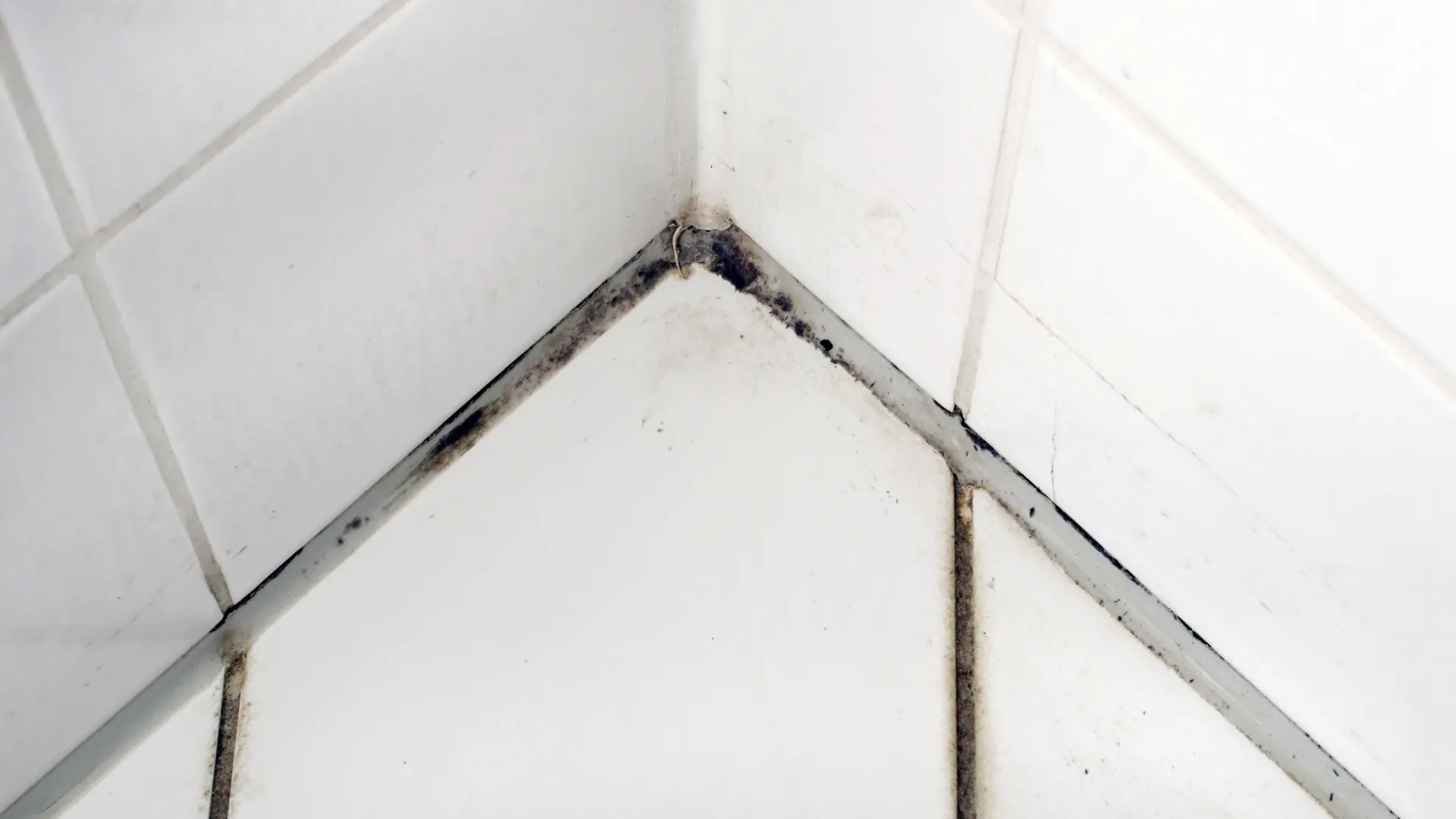
Tiles and corners, such as grout or caulking in kitchens or bathrooms, that retain moisture are common spots for mould growth. Water from spills, cleaning, or minor leaks can accumulate in these hard-to-dry areas, allowing mould to develop quickly. In both residential and commercial spaces, frequent use and high humidity further increase moisture levels, elevating the risk of mould growth.
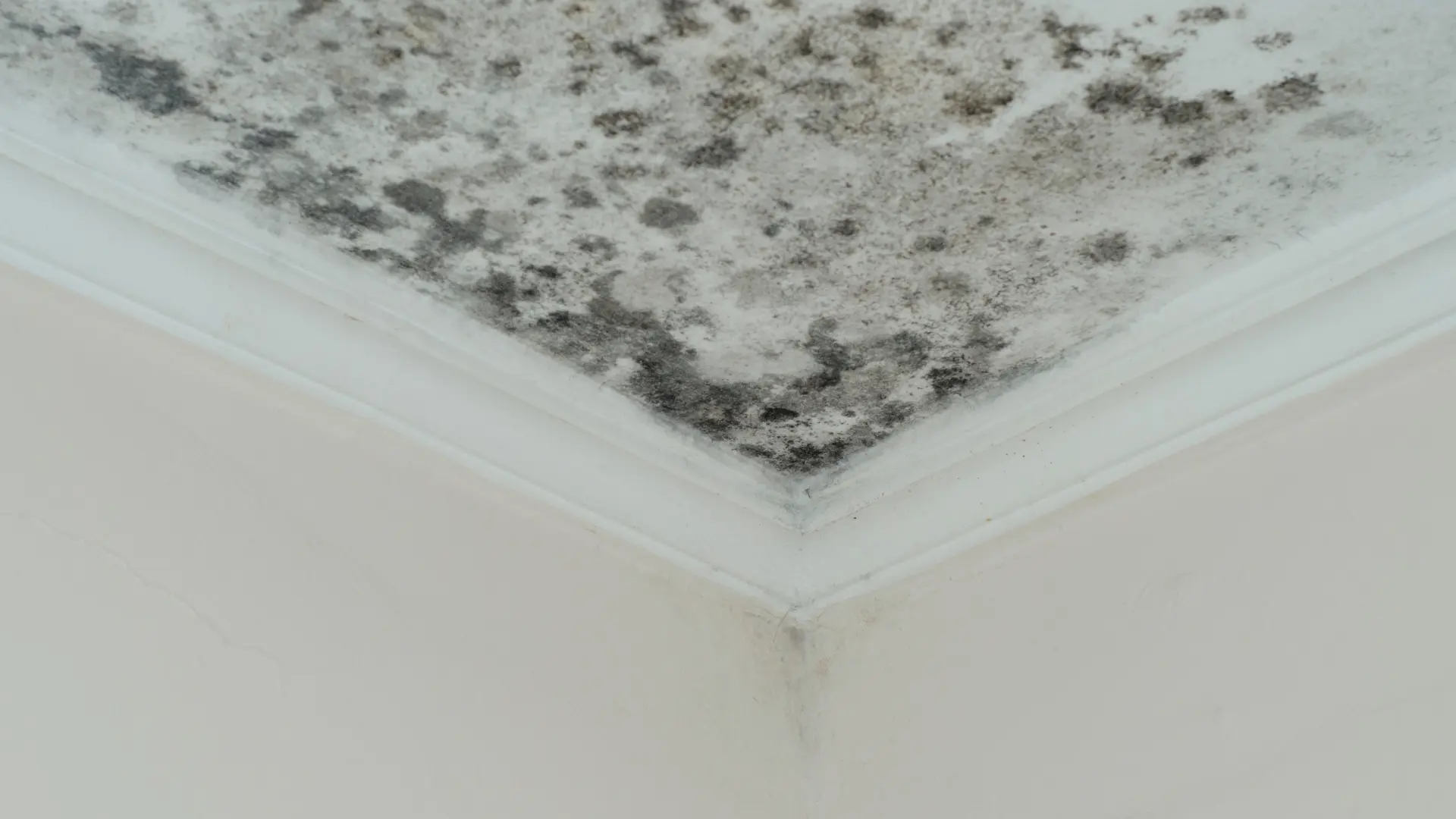
Moisture trapped in ceiling spaces that is often caused by roof leaks, condensation, or poor insulation creates ideal conditions for mould growth. It typically appears along ceiling edges, near air vents, or in areas with limited air circulation. In Malaysia, frequent rain and high humidity create conditions where moisture can remain hidden, leading to mould growth.
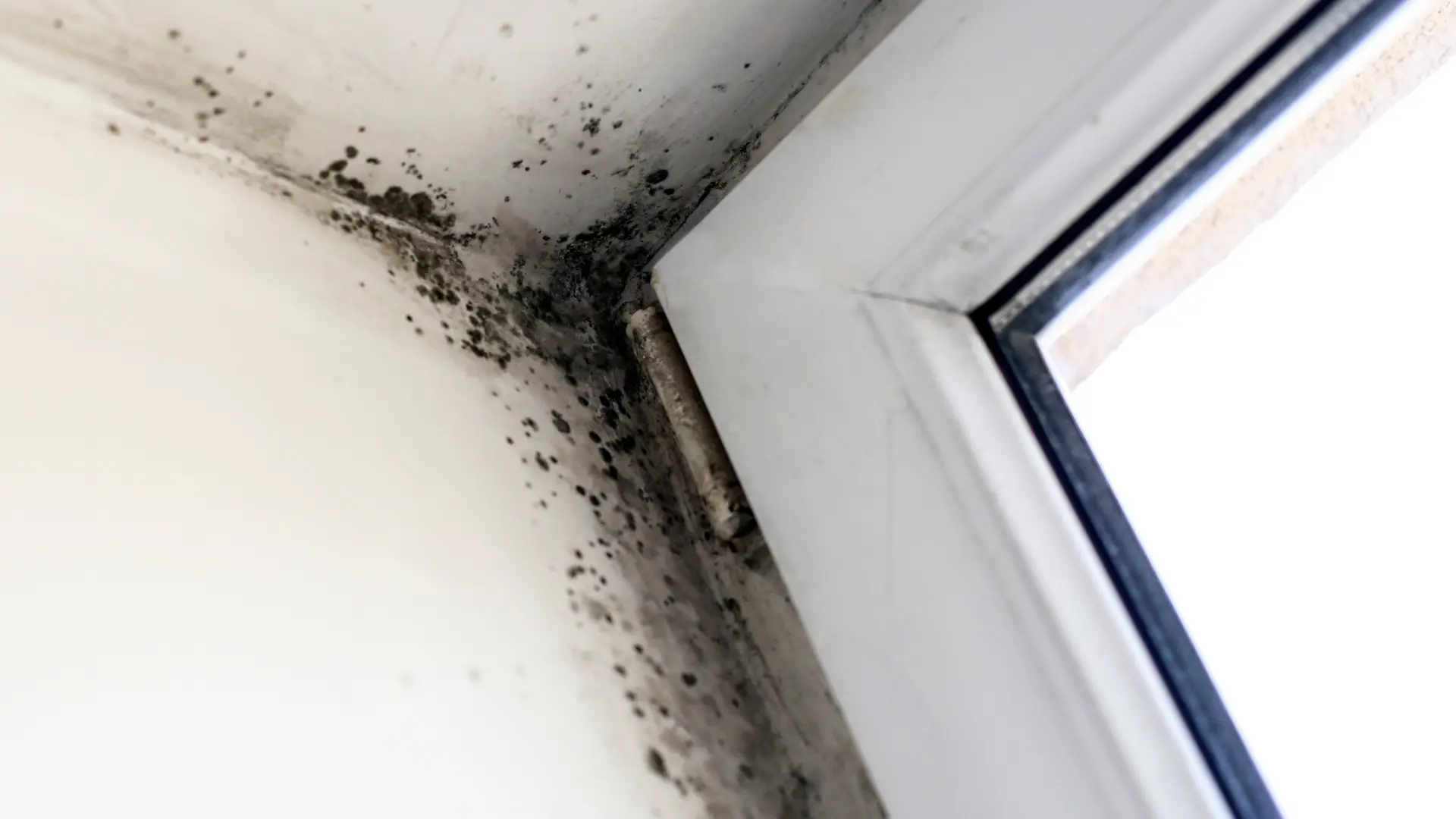
Walls near windows, plumbing, or behind furniture can absorb moisture over time, particularly in rooms without proper airflow or ventilation. This can result in mould patches, peeling paint, or a musty smell. Both homes and commercial buildings with limited ventilation are at higher risk of mould developing on wall surfaces.
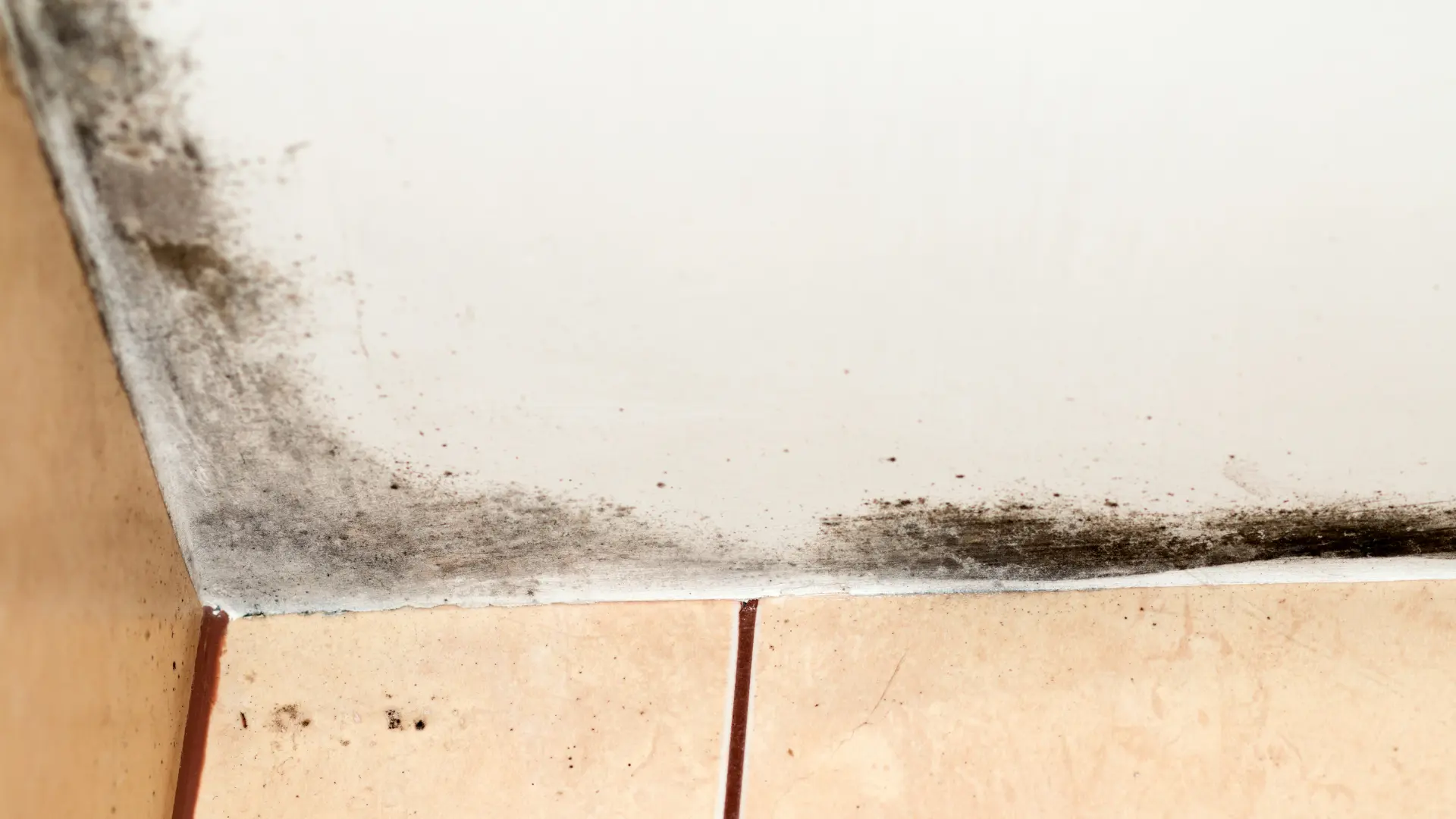
Spaces that consistently experience high humidity such as kitchens, laundry areas, toilets, or corners with little airflow — provide ideal conditions for mould growth. In Malaysia’s tropical climate, where humidity can remain high year-round, inadequate ventilation makes it easy for mould to get trapped on walls, tiles, and other surfaces.
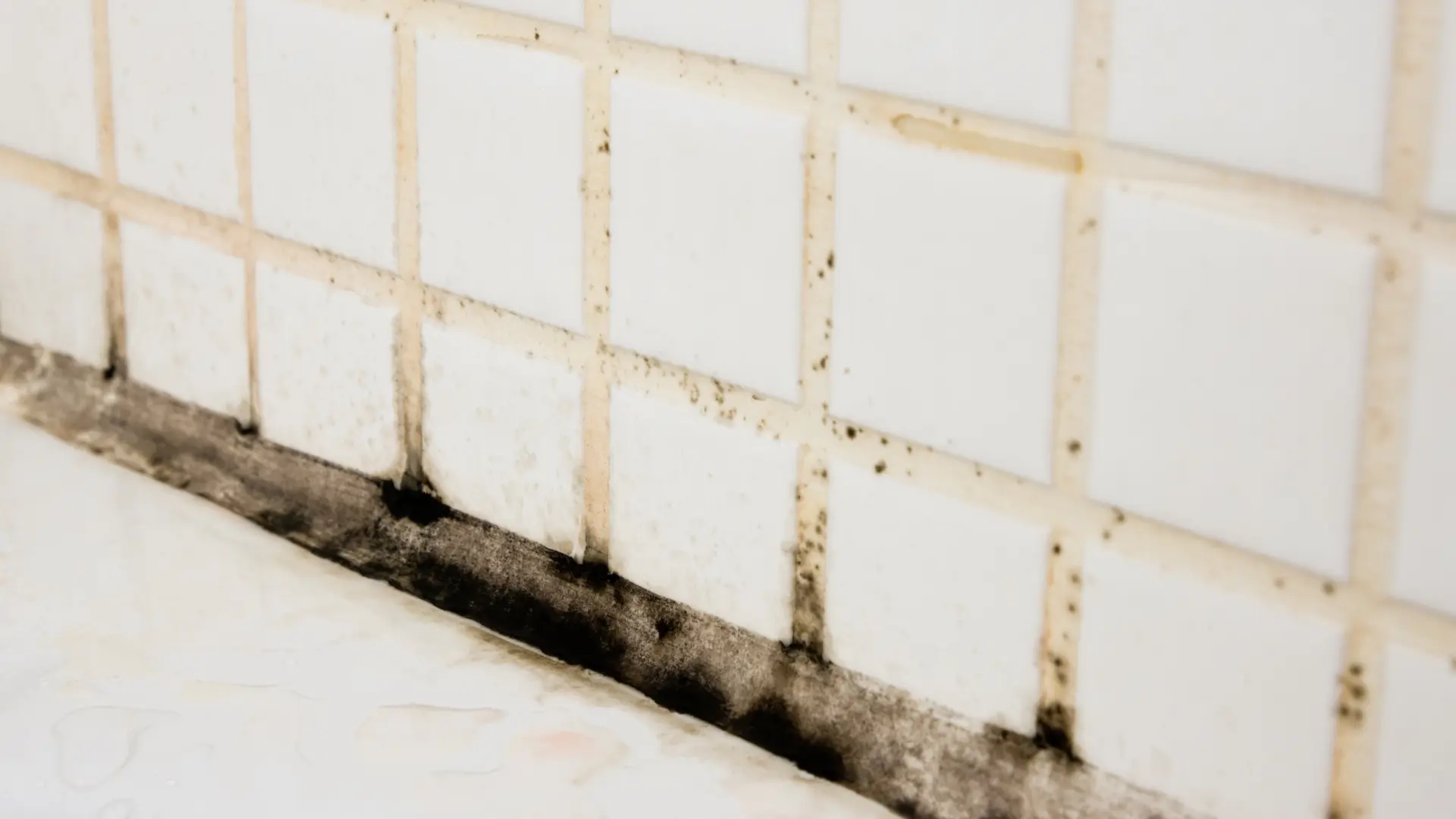
Mould often appears wherever water builds up or drains slowly, such as near leaking pipes, under sinks, around floor drains, or below air-conditioning units. Even small amounts of trapped water can lead to mould growth, making regular inspection and maintenance essential in both residential and commercial buildings.
.2025-12-03-11-58-47.webp)
Identifying these common areas is only the first step in protecting your home or commercial space from mould. If you’ve found any potential signs of mould, delaying a proper inspection could allow hidden growth to spread that leads to property damage.
As such, regular Mould Inspections are essential to identify if it's a mould problem, detect hidden growth before it spreads, and assess the conditions that encourage mould growth, while effective Mould Removal ensures that affected areas are properly cleaned and treated to prevent recurrence. Once the mould is removed, it’s also important to address the underlying root cause, such as moisture, leaks or poor ventilation, to stop mould from returning.
.2025-12-03-12-13-04.webp)
Following mould removal, using an air purifier helps keep your indoor air cleaner by filtering any lingering mould spores and airborne pollutants. With the InspireAir 72 Air Purifier, you can significantly reduce airborne pollutants such as mould spores, dust, bacteria and allergens. Its multilayer filter and HEPA 13 filtration ensures your family, or your employees and customers breathe cleaner and safer indoor air. Combining mould removal and the use of an air purifier as a post-treatment is an effective way to maintain a healthy indoor environment.
Malaysia’s humid climate makes homes and commercial buildings prone to mould growth. Effective mould removal and maintaining clean indoor air with air purifier help keep your space comfortable. Don’t let mould compromise your comfort or health, start protecting your space and breathe cleaner air.
For more information, visit our Mould Removal or InspireAir 72 Air Purifier page to learn how we can tailor our services to your specific needs. If you’re unsure whether that damp spot is just water leakage or mould, visit our Mould inspection page to find out how we identify mould growth sources.
Create confidence and reassurance in your business or home with the range of innovative and surface hygiene solutions.