myInitial
Manage your business
myInitial login
Keeping washrooms clean isn’t just about appearances — it’s essential for protecting people’s health and well-being. Since washrooms are a shared space used by many, poor maintenance can quickly lead to unpleasant experiences, the spread of germs, and even potential health issues. Yet, many businesses still underestimate just how important proper hygiene care is for everyone who uses these facilities. It is reported that dirty public toilets are still a highly common issue in Malaysia as various locations were given a lower rating due to not being clean enough or being dirty, indicating that a significant portion of public toilets in Malaysia are not meeting basic cleanliness standards.
When basic hygiene practices like hand washing, cubicle cleanliness, and air care are not properly managed, users’ health is put at risk. Missing or poorly maintained hygiene essentials not only create a negative impression but also increase the chances of cross-contamination and illness. To understand why these basic hygiene matters so much, let's explore what happens when they’re ignored.
.2025-08-01-02-13-20.webp)
Hand hygiene is widely recognised as one of the most effective methods to prevent the spread of infectious diseases as it is an essential way of protecting individuals from person-to-person transmission via hand contact and contaminated surfaces. Likewise, proper hand hygiene plays an important role in preventing the further spread of disease and illness such as COVID-19 disease.
However, poor maintenance such as insufficient or empty soap dispensers, absence of hand drying options, or lack of hand sanitising solutions can discourage users from practising proper hand hygiene.When users leave the washroom without properly washing, drying or sanitising their hands, they risk spreading bacteria and viruses to shared surfaces and communal spaces. Therefore, germ transmission via surfaces can occur directly through hand and body contact with high touch or contact areas within a restroom.
Over time, this can compromise the cleanliness of shared environments, create negative perceptions and reduce user confidence in using the facility, and increase the risk of infectious disease.
.2025-08-01-02-14-10.webp)
Toilet cubicles are particularly prone to contamination due to the release of tiny droplets during flushing — a phenomenon known as the Toilet Sneeze Effect. When a toilet is flushed, tiny droplets containing germs and bacteria are propelled into the air and can settle on surrounding surfaces, particularly toilet seats.
Without proper cleaning measures or the availability of toilet seat cleaners and urinal sanitisers, the build-up of bacteria and limescale not only compromises hygiene but also impacts user experience. Poor cubicle hygiene may discourage users from returning to or trusting public washroom facilities. Moreover, it potentially increases the spread of infectious diseases during toilet flushing, such as Salmonella, Legionella, Clostridium difficile, Norovirus, and Ebola Virus.
To prevent the spread of germs, toilet seat cleaners can effectively clean and sanitise these surfaces where germs land and high physical contact occurs. Additionally, urinal sanitisers help to fight against the build-up of limescale and bacteria with each flush, contributing to overall cubicle cleanliness.
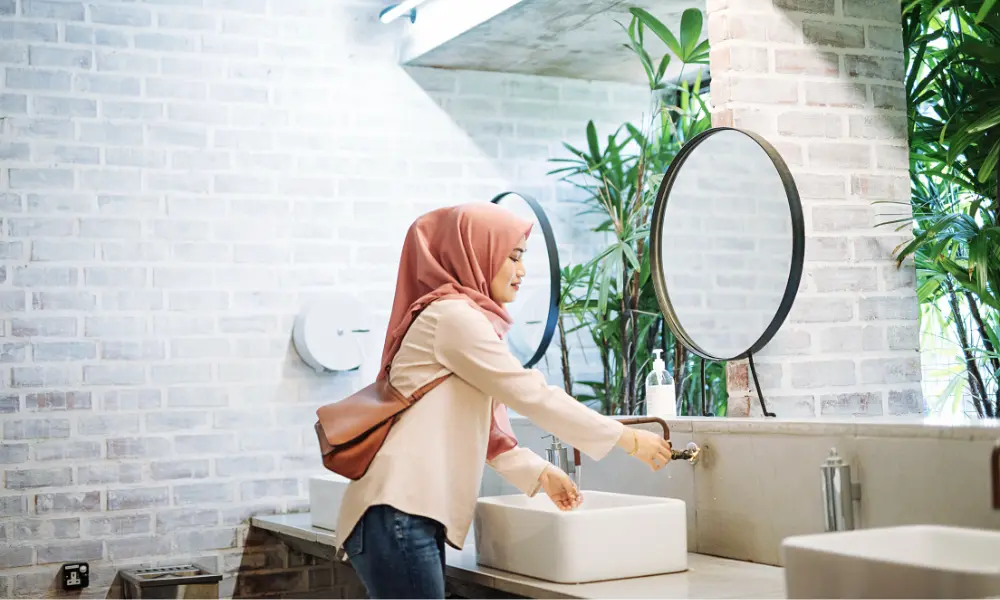
Air hygiene is often overlooked in washroom maintenance, yet it plays a crucial role in creating a clean and comfortable environment. The control of odours is undoubtedly one of the primary societal measures of a washroom’s overall cleanliness. A lack of proper air care like ineffective odour control can lead to lingering bad smells and an environment that feels unclean, even if surfaces are regularly cleaned.
In addition, unpleasant odours not only affect user comfort, they also directly compromise the overall washroom ambiance, particularly in poorly ventilated spaces. Poorly ventilated washrooms are typically caused by several factors, including inadequate exhaust fans that result in stale air, a lack of proper air flow design, a lack of windows, and the washroom's small, enclosed nature. This prevents air from circulating freely, causing odours and moisture to become trapped and creating an environment that feels stuffy and unclean.
While it’s important to identify and address the root cause of air issues, air fresheners help to mask unpleasant odours — creating a consistently pleasant and inviting atmosphere that signals a well-cared-for space. This is crucial not just for a positive user experience but also for creating a refreshingly clean environment that enhances comfort and confidence, and significantly encourages visitors to revisit the facility.
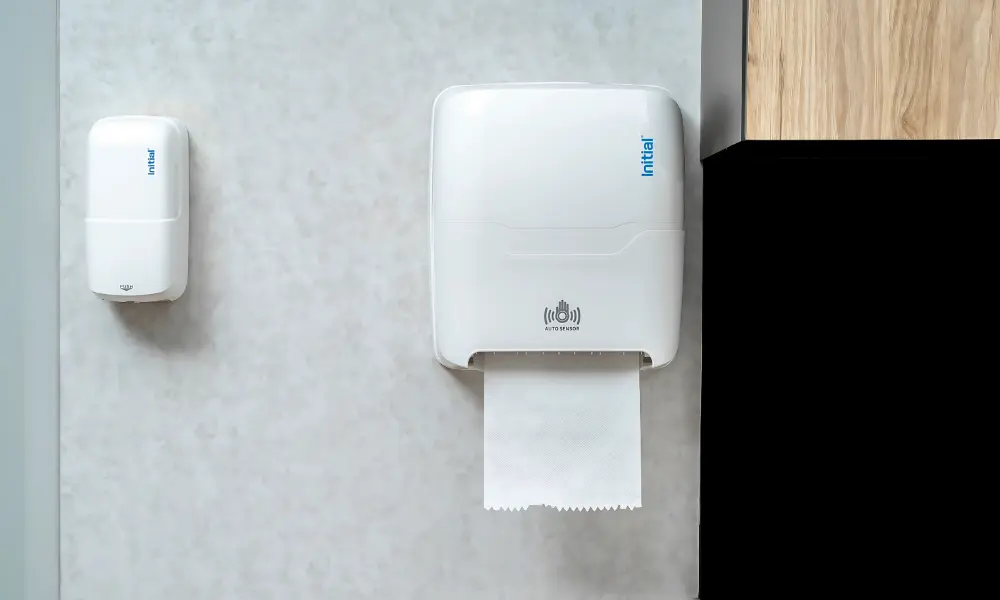
A clean, well-equipped washroom starts with having the right solutions in place to cover the core areas of hygiene care. From clean hands to hygienic cubicles and fresh air, every touchpoint matters in creating a safe and comfortable experience for users.
Initial’s Essential Range can meet your basic hygiene needs for a complete essential washroom facility to help your commercial washroom deliver consistent hygiene protection. By providing the core solutions users expect, from hand hygiene to cubicle hygiene and air fresheners, the Essential Range makes consistent hygiene protection accessible for all businesses. Whether you're changing an existing facility or getting started with basic hygiene solutions, the Essential Range gives you everything you need to maintain basic standards of cleanliness, protect user well-being, and build trust in your washroom environment.
Every clean, safe washroom begins with the basics. Start building a hygiene standard your users can trust toward a better washroom experience for your business and its people. For more information, please visit our Essential Range page or contact us at +603-9388 0321 to discover the full range.
Create confidence and reassurance in your workplace with the range of innovative and hygiene washroom solutions.