myInitial
Manage your business
myInitial login
Building energy efficiency is a critical component of Singapore's sustainability agenda as it plays a significant role in reducing the country's overall energy consumption and greenhouse gas emissions. To meet its target of reducing emissions intensity by 36% by 2030, the government is promoting the adoption of energy-saving technologies in buildings and encouraging the construction of green buildings through its Green Mark certification system.
With the increasing cost of energy and the growing concern for the environment, it's more important than ever to make sure your building is energy-saving. By making simple changes to your building's design, construction and operation, you can reduce energy costs, improve comfort, and minimize your impact on the environment. Here are 9 ways to make your building energy efficient in Singapore.
An energy-efficient building in Singapore is a building that has been designed, constructed, and operated in a way that reduces its energy consumption and greenhouse gas emissions while improving comfort and indoor air quality for building occupants.
Good natural ventilation in an energy-efficient building refers to the use of natural airflows to provide fresh air and regulate the temperature within the building. This type of ventilation is achieved through the design and placement of windows, vents, and other openings that allow for the free flow of air into and out of the building, while also controlling the amount of sunlight and heat entering the building.
Good natural ventilation can help to reduce the reliance on energy-intensive heating and air conditioning systems, lower greenhouse gas emissions, and improve indoor air quality. By using natural airflows, buildings can maintain comfortable temperatures, without the need for artificial heating or cooling systems. In an energy-saving building, good natural ventilation is typically integrated with other sustainable design features, such as high-performance windows, insulation, and shading devices, to optimize the building's energy performance.
By relying on natural ventilation, energy-efficient buildings can help to improve indoor air quality, reduce energy consumption, and enhance the comfort of building occupants. Additionally, natural ventilation helps to bring fresh air thus, improving indoor air quality and reducing the risk of indoor air pollution. Natural ventilation can also help to improve the health and well-being of building occupants.
The use of energy-efficient air purifiers in green buildings complements the central heating system by providing additional benefits for indoor air quality and energy efficiency. Although central heating helps to regulate temperature and improve comfort, it does not necessarily address other indoor air quality concerns such as pollutants from volatile organic compounds (VOCs) from cleaning products, paints, and adhesives, formaldehyde, particulate Matter (PM), off-gassing of building materials, and outdoor air pollution. Energy-efficient air purifiers can remove these pollutants and improve indoor air quality.
Besides, green building certifications, such as BCA Green Mark, encourage the use of energy-efficient technologies and products, including air purifiers, as a way to promote sustainable building practices and improve indoor air quality. Additionally, using energy-saving air purifiers can help reduce the building's overall energy consumption, leading to cost savings and a reduction in the building's carbon footprint.
The use of power-saving air purifiers supports the broader goal of creating sustainable, eco-friendly buildings in Singapore and promoting a greener, healthier environment.
Investing in energy-efficient lighting is one of the easiest and most cost-effective ways to make your building energy-saving. Energy-saving lighting can help you reduce energy costs by up to 80% compared to traditional lighting.
Energy-efficient lighting options, such as LED lights use less energy, last longer and have a more consistent performance compared to traditional lighting sources. By switching to energy-saving light bulbs, you can lower your energy bill, reduce your carbon footprint and helps to reduce greenhouse gas emissions, contributing to a more sustainable future.
A building management system (BMS) is a computer-based control system that can monitor and control all the mechanical and electrical systems in your building. A BMS can help you reduce energy costs by controlling lighting, heating, and cooling systems, as well as by providing real-time data on energy consumption. This information can help you make informed decisions about how to reduce energy costs and improve energy efficiency.
An Energy-Efficient HVAC (Heating, Ventilation, and Air Conditioning) system in an energy-efficient building is a system designed to regulate temperature, air quality, and humidity levels in a building while consuming minimal energy. It is a critical component of an energy-efficient building, as HVAC systems typically consume a significant amount of energy, accounting for a significant portion of a building's total energy consumption.
Energy-Efficient HVAC systems in energy-saving buildings typically use high-efficiency components, such as high-efficiency air conditioners, heat pumps, energy recovery ventilators, advanced thermostats, and high-efficiency ductwork. These components work together to provide comfortable indoor temperatures while reducing energy consumption and minimizing the building's impact on the environment.
In addition, Energy-Efficient HVAC systems in energy-efficient buildings may also include zoning systems that allow different areas of the building to be heated or cooled independently, reducing energy waste and providing greater comfort and control for building occupants.
Solar panels are a great way to reduce energy costs and improve the energy efficiency of your building. Solar panels convert sunlight into electrical energy, which can then be used to power the building's electrical systems and reduce the building's reliance on traditional grid-generated electricity and leading to lower energy bills.
Solar panels generate clean, renewable energy that does not produce greenhouse gas emissions, helping to reduce the building's carbon footprint. Solar panels can provide a building with a reliable and sustainable energy source, reducing the reliance on grid-supplied energy and increasing energy independence.
Using energy-efficient appliances can help you reduce energy costs and improve the energy efficiency of your building. Power-saving appliances typically use less energy compared to traditional appliances, which means that they are more environmentally friendly and cost less to operate. They are designed to provide the same level of performance as traditional appliances while consuming less energy, making them an ideal choice for energy-efficient buildings.
Promoting energy-saving behaviour among building occupants is an important aspect of making your building eco-friendly. By educating building occupants on the benefits of energy-efficient behaviour, you can encourage them to adopt energy-saving practices such as turning off lights when leaving a room, using natural light whenever possible, and reducing air conditioning usage.
A power management system can help reduce energy costs by controlling the energy usage of the electronics in your building. The system can be programmed to turn off the electronics when they are not in use, and it can be set to automatically turn off the electronics at a certain time each day.
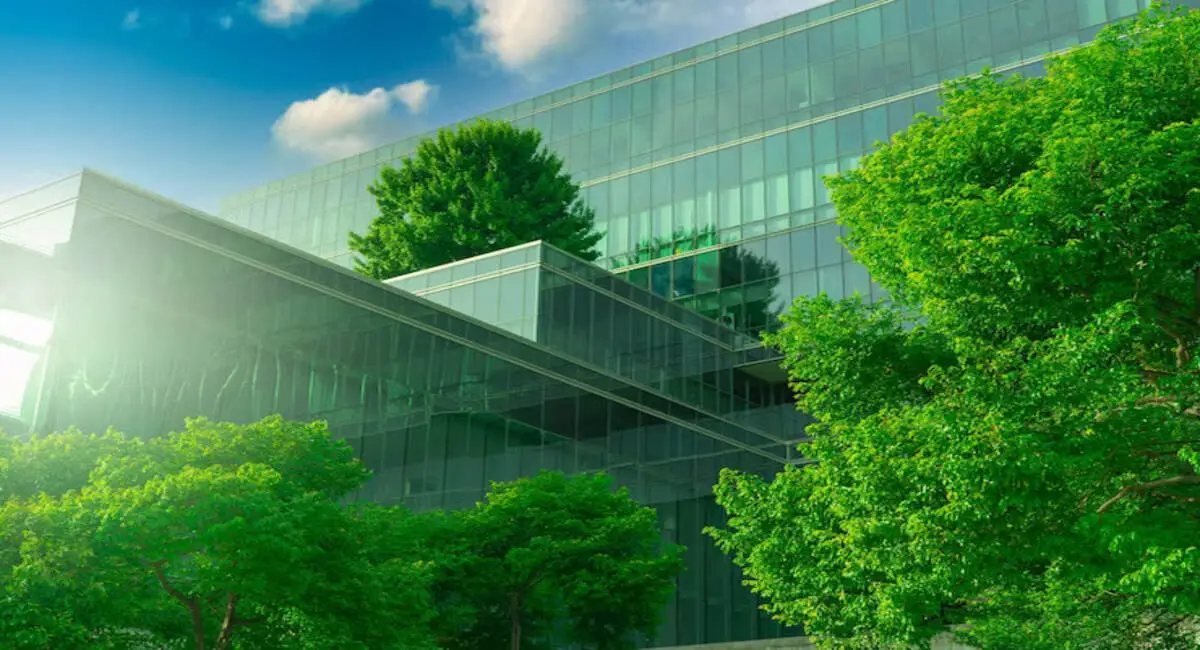
There are several reasons why it is important to make your building energy efficient in Singapore. Firstly, energy efficiency can help reduce energy costs. Energy costs are a major expense for many buildings, and reducing energy costs can help lower the overall operating costs of the building.
Secondly, energy efficiency can help reduce carbon emissions. Carbon emissions are a major contributor to climate change, and reducing carbon emissions is essential for the sustainability of the environment. By making your building energy efficient, you can lower your carbon footprint and help reduce the impact of your building on the environment.
Thirdly, energy efficiency can improve the comfort and well-being of the people who live or work in the building, with better temperature control, improved indoor air quality, and reduced noise levels.
In conclusion, the adoption of energy-efficient building practices is crucial in achieving Singapore's goal of reducing emissions intensity and mitigating the impacts of climate change. Building owners and occupants should take the initiative to improve the energy efficiency of their buildings, not only to reduce energy costs but also to support the country's sustainability agenda. By taking the steps to make your building environmentally friendly, you can help create a more sustainable and energy-efficient future for everyone.
Initial provides a wide range of highly effective and affordable air purification to help protect your indoor environment from sick, dirty and toxic air.