myInitial
Manage your business
myInitial login
As the weather gets colder and wetter and the nights draw in, the number of people with coughs, sniffles and sneezes grows. People are absent from the office, friends cancel engagements and you seem to always get stuck in the supermarket checkout or on the train next to a sneezing, sniffling, virus spreader.
So what exactly is winter flu, how do you catch it, can you avoid it and what should you do when you get it? To find answers to these questions read on.
Winter flu is a viral infection caused by various strains of influenza viruses. It can be caught at any time of the year, but is more common during the northern winter (which is why it's called winter or seasonal flu).
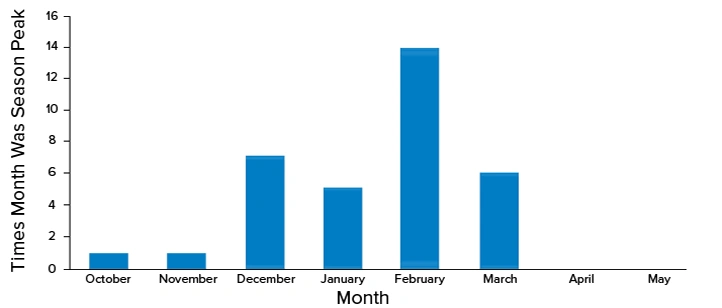
In the US the CDC collects and analyses data on flu activity and produces surveillance reports. From 1982 to 2016 the flu season peaked in any month from October to March but most often in February, as shown by the chart below.
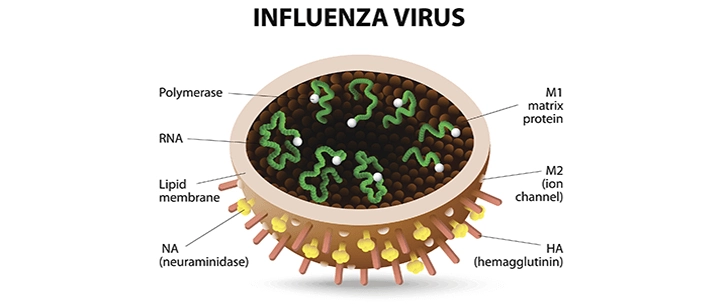
The flu viruses are RNA viruses (ie have no DNA) consisting of three genera, all of which infect humans:
The flu symptoms show one to three days after becoming infected and vary between people. People are infectious for up to seven days after becoming infected. The symptoms can include some or all of the following:
The common cold is caused by Rhinoviruses, which infect the nose, throat, sinuses and upper airways. There are over 90 recognised types of Rhinovirus. The infection is normally milder than flu, with the symptoms of a blocked nose, sneezing and cough, but when more severe, high temperature, headache and aching muscles are among the symptoms.
There is no cure and no vaccine for a cold it will cure itself in a few days for most people. See more information from the UK NHS.
Stomach flu, also called gastroenteritis, is a catch-all term for infections that affect the stomach and intestines, causing inflammation and other symptoms. They are sometimes mistaken for influenza and just like the common cold, some stomach flu infections also peak during the winter season.
These infections can be caused by bacteria, viruses or parasites caught from contaminated food, water or contaminated surfaces including other people's hands!
Some causes of stomach flu include:
Symptoms can include:
The range of possible causes mean it is advisable to consult your doctor to get the most appropriate treatment, especially if symptoms are severe.
Many viruses can cause flu-like symptoms and can occur during flu seasons, including the common cold, as mentioned above, and some that cause respiratory infections. None of them are prevented by a flu vaccination because is it so tuned to the three or four strains of influenza that are predicted to occur each year.
The main source of flu is other people! The flu virus is present in the mouth and nose of people who have the flu. When you cough or sneeze you launch the virus into the air in thousands of tiny droplets of saliva and mucus.
So you can catch the flu from:

The droplets ejected at high speed from a cough or sneeze vary in size from a few thousandths of a millimetre to a couple of millimetres. The larger ones fall within a metre or so, but many are small enough to float through the air around you to be breathed in by other people.
Watch this disturbing high-speed camera video of someone sneezing, made by the research group of Prof Lydia Bourouiba at MIT.
Flu caught from animals, called zoonotic flu, periodically makes the headlines because of the threat of a virulent new strain spreading through human populations and becoming a pandemic flu. The fear of health authorities is that there could be another highly infectious strain such as the one that caused the 1918-1920 Spanish flu pandemic influenza A subtype H1N1. This killed an estimated 20-100 million people at the end of the First World War.
The same strain H1N1 returned in 1977 and then 2009, when it first arose in Mexico in March/April and spread worldwide. It was called swine flu as it was believed to have originated on a pig farm. There were 18,000 laboratory-confirmed deaths but an estimated 280,000 in total according to later research. It is thought to be a mutation of the H1N1 strain, combining four strains from humans, birds and pigs (two strains), and was classified as H1N1/09.
The WHO and governments round the world have put a lot of effort into preparing for pandemic outbreaks. The International Health Regulations (2005) require governments to have the ability to detect and respond to health threats and report to WHO those that may be a potential public health emergency of international concern (PHEIC)
Flu viruses can infect many animals such as birds, pigs, horses, dogs, cats and bats. Avian flu (bird flu) and swine flu are the most well-known because of recent outbreaks in farm animals and subsequent infection of humans. The infection is usually far more severe in the host animal; avian flu causes up to 100% mortality in chicken flocks.
People most at risk are those working with animals or handling them such as sellers handling chickens in markets. However, most strains present in birds and other animals don't infect humans, and when they do rarely spread far by human-to-human infection.
So a zoonotic flu can become a pandemic flu if it is virulent in humans, then after infections peak and populations build up more resistance, it can become a seasonal flu when infections follow typical flu infection patterns, and in regions that have a winter it is called a winter flu!
In the US, the CDC recommends everyone over 6 months to have a flu vaccine by the end of October. It has adopted this practice since 2010 when its Advisory Committee on Immunization Practices recommended universal flu vaccination. However, it does give a priority list of people who should have the vaccine.
In the UK, the NHS recommends that people at high risk of complications or those coming in contact with them have the vaccine between September and November, including:
WHO Europe has launched a campaign for 2016 to increase the number of healthcare workers who have a flu jab. Vaccination uptake among countries in Europe ranges from 2.5% to 99%, and more than half of countries report that less than one in three healthcare workers are vaccinated. In addition, not all countries even record this data, so it makes it difficult to get a full picture.
Healthcare workers are in a particularly sensitive position as they can transmit the flu to vulnerable people such as infants, the elderly and people who are already ill in the hospital. A flu infection can be life-threatening for these people, especially those with compromised immune systems.
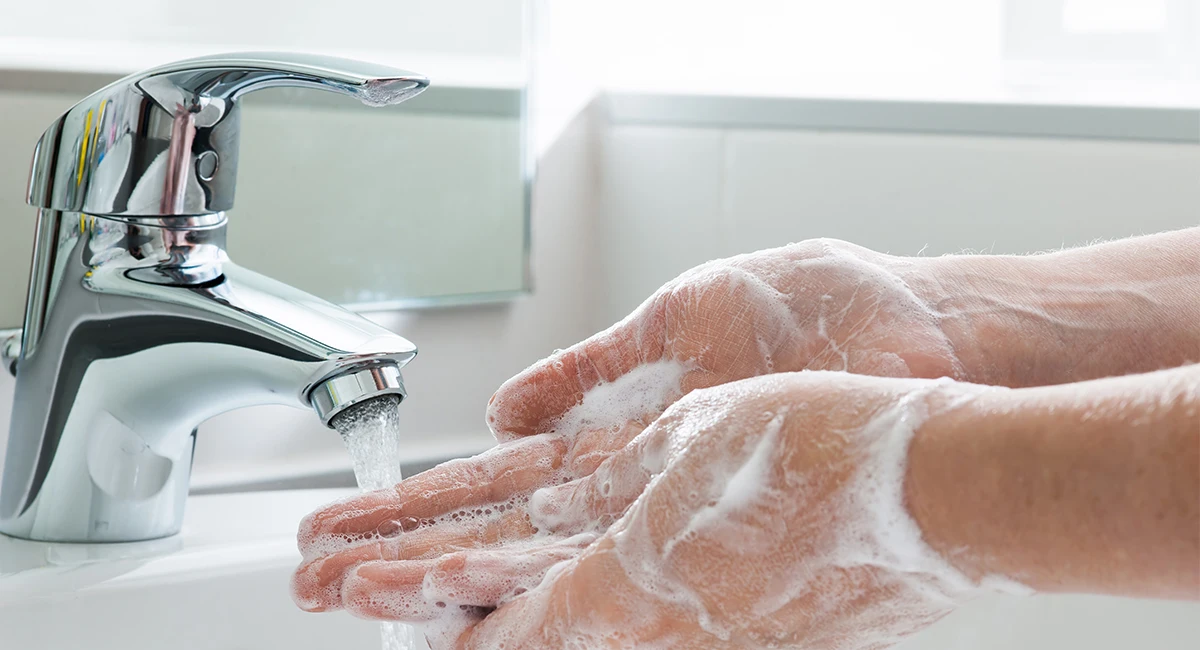
Washing your hands with soap is one of the most effective ways of minimising the risk of spreading illnesses such as the flu. Here's what you can do to stop the journey of the germ:
Poor hand hygiene is one of the biggest causes of the spread of illness in offices and schools. A recent study that Initial has carried out with 5,000 participants in 5 countries show that one in four people don't wash their hands even after using the bathroom!
The UK NHS recommends that vulnerable people take antiviral medicines when there is a flu outbreak or when they have recently been in contact with someone with flu-like symptoms to prevent infection.
Treatment means something that is given when someone has got the flu already a vaccine would be futile at this point as the purpose of a vaccine is to build up immunity before catching it, making it of no use if you're already infected with the disease.
Most people need no medical treatment and will recover within a week. The UK NHS recommends that otherwise healthy people:
If you feel unwell and have a fever you can take paracetamol or ibuprofen to lower temperature and relieve aches.
Antiviral medicines have been recommended for groups of people at risk of complications to reduce the length of illness and relieve some symptoms, but they do not cure the flu.
Antibiotics have no effect on the flu or other viral infections as they only work on bacteria!
Taking antibiotics when not needed and for the wrong disease increases the risk of bacterial populations developing resistance such as MRSA, which causes problems in hospitals around the world. This reduces the antibiotics available for people whose lives depend on them.
So don't take them when you have a cold unless a doctor prescribes them for bacterial infections that you have at the same time.
In case you didn't get the message earlier, one of the most important measures you can take to protect yourself from the flu is to keep your hands clean!
You can spread the flu virus to others by not washing your hands and you can catch the flu virus from others by not washing your hands. Therefore, don't sneeze into your hands the best way of sneezing is to turn your chin into your shoulder to prevent your hands from getting contaminated with the virus.
So wash your hands with soap regularly!
Initial's hand hygiene services ensure clean and hygienic hands with a range of solutions tailored to different environments