myInitial
Manage your business
myInitial login
Supply chains are critical to running a business both efficiently and economically. However, with globalisation, they have become more complex, longer, and vulnerable to more risks, which requires greater effort to ensure all stages comply with social, environmental and ethical principles.
There are also increasing demands from consumers for more sustainable products and packaging, as well as quicker shipping times — especially since COVID-19. These demands mean businesses must have greater visibility across their supply chains, including the most distant smaller suppliers.
The key to ensuring supply chains comply with social, environmental and ethical principles is to adopt sustainability as a prime goal. The UN Sustainable Development Goals provide several principles that companies can operate by to achieve a sustainable supply chain.
It is easy to describe how to develop sustainable supply chains and what they should look like in theory, but in practice, there are numerous practical problems to overcome. Here are some real-life examples and key insights into how we are developing sustainable supply chains and the vast amount of work involved.
We are creating a sustainable sourcing policy, which will be implemented for all sourcing activities. For example, the policy aims to ensure that sustainable wood is used for cartons, recycled plastics replace virgin plastics wherever possible, and if palm oil is used in any products, it is from certified sustainable sources.
There is a team that has created a framework to assess suppliers, and based on their replies, they are ranked in three sustainability levels: bronze, silver, and gold. The company then works with suppliers to create an action plan to improve their sustainability and only works with suppliers that meet the gold or silver criteria.
GOLD: The supplier has a Globally recognised certification, has set targets and annually reports on its performance.
SILVER: The supplier has defined targets that are reported on, products that are environmentally approved and are regularly audited.
BRONZE: The supplier is recording it's utility bills, has a company environmental policy, complies to any local environmental requirements and has defined target for improvements.
Rudi Stegen, Global Logistics Director for Rentokil Initial, described the process, “When we start working with a new supplier and they start manufacturing for us, or we buy materials or products from them, they are audited for their sustainability credentials. This includes factors such as human slavery, ethical employment practices, the sources of their materials and whether they do the same audits with their suppliers.
“These checks ensure that, for example for tissue paper, the company does not need to go all the way to the forest to check the sustainability, including ethical and environmental issues of forest management and paper production. It will show if suppliers are checking their supply chains and if every business involved is checking their own suppliers and doing an audit.”
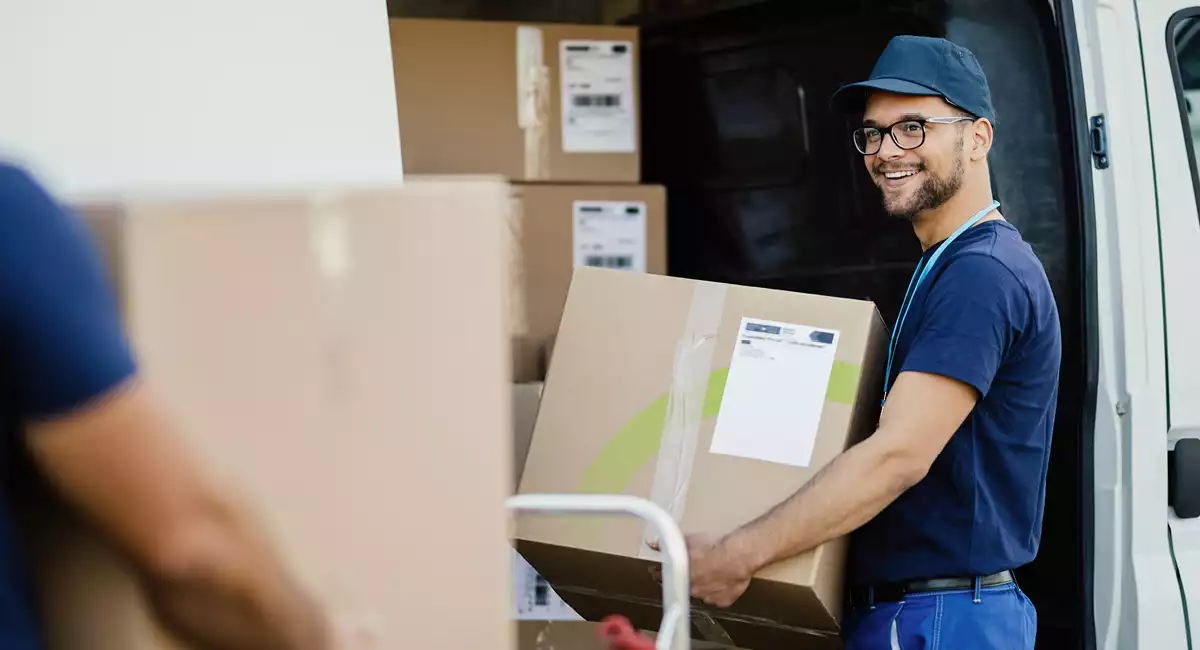
We are reviewing the packaging materials used for the products in the supply chain. The aim is to reduce the amount of plastic packaging used wherever possible. For example, if a soap dispenser is supplied in a bag in a box, we assess if the bag can be eliminated altogether or replaced with a recycled-plastic bag. The process ensures that the quality and protection of the product is maintained, and the bag is removed if the product's quality or safety is not compromised.
Cardboard packaging is examined to see if the dimensions of boxes can be optimised to make maximum use of the volume available on a palette, in a truck or in a container. Sometimes products can be sent loose in a container to increase the quantity shipped and do away with individual packaging. These practical changes can reduce the amount of packaging used for each product on its journey to the end user and more can be shipped in the same volume of container. With one product, by stacking in a different way the volume was reduced by 20–25%. These measures have an immediate impact on the carbon footprint.
Another area of focus is replacing virgin plastics in products. In the pest range, the Lumnia insect light trap already uses recycled plastic, and in the hygiene range, such as soap dispensers, there is a similar approach and, crucially, the product quality has been maintained.
Other areas we are looking at include embracing a circular economy and reducing transport emissions, as Rudi Stegen explained, “Previously, products were only designed for the needs of customers. Now, we are embracing the concept of circularity and are designing products so that at the end of their life we can maximise recycling parts or refurbishing. Our French and Italian businesses are particularly strong in this area and have refurbished over 200,000 hygiene units in the past four years.
“In my own area of logistics, we have CO2 reporting for every shipment going out of our warehouses. We know exactly from our transport company what the emissions are, and we do a similar assessment for inbound shipments from suppliers to us.”
Becoming more sustainable is not always a straightforward process of replacing a raw material with recycled material. A product may have to go through a complete development cycle of production trials, laboratory testing and regulatory approval to re-engineer a product. For example, if plastic is replaced by cardboard in a product, it will need a new production process and may need a new product registration because the material was specified in the existing one.
However, we have the capability to address both the legal and engineering issues to maintain product quality while improving sustainability and adopting circularity. Our new Hygiene and Wellbeing Research and Development Centre is driving our leadership in sustainable innovation and product development.
Achievements in packaging include all Signature soap dispensers using 100% recycled plastic bags and Reflection units being packaged in 100% recycled plastic, while packaging for the standard Luna Dry hand dryers has been switched from plastic to paper packaging made from recycled fibre. Since May 2020 we have reduced our use of plastic in packaging and products by over 238 tonnes.
By systematically addressing these issues in all our markets globally, significant progress is being made across the company.
From washroom hygiene to air purification, Initial solutions are designed to create a safer and healthier environment for your peace of mind