myInitial
Manage your business
myInitial login
As a business interested in commercial scenting, you already understand how scent can play
a powerful role in shaping the experiences of your customers, employees and visitors.
Scents can influence mood, memory and perceptions, and when done well, scenting can
enhance an entire brand experience.
But as you look to leverage this potential with confidence, remember that while the power
of scent matters, safety matters more. It’s important to be mindful of certain safety factors
and concerns, such as the increasing awareness of issues such as respiratory sensitisers,
potential allergens and what is often referred to as the ‘fragrance loophole,’ where
companies can avoid fully disclosing the individual ingredients used in their fragrance
formulations. This growing awareness highlights the critical need for responsible fragrance
practices, and this is where we at Initial Hygiene lead.
You can trust our scenting solutions to enhance your environment while upholding the
highest safety standards. For example, our fragrances and fragranced products aren’t classified as respiratory sensitisers, acutely toxic inhalants or substances that can cause
serious health problems* under the Globally Harmonized System of Classification and
Labelling of Chemicals (GHS) or Classification, Labelling and Packaging (CLP) Regulation.
To give you even more confidence in our solutions, we also go beyond these industry
standards with our own Global Fragrance Safety Policy that was developed by our experts to
govern every aspect of fragrance selection and usage. In this blog, we’re taking you behind
the scenes of our policy and showing what it means for every fragrance we deliver to your
business.
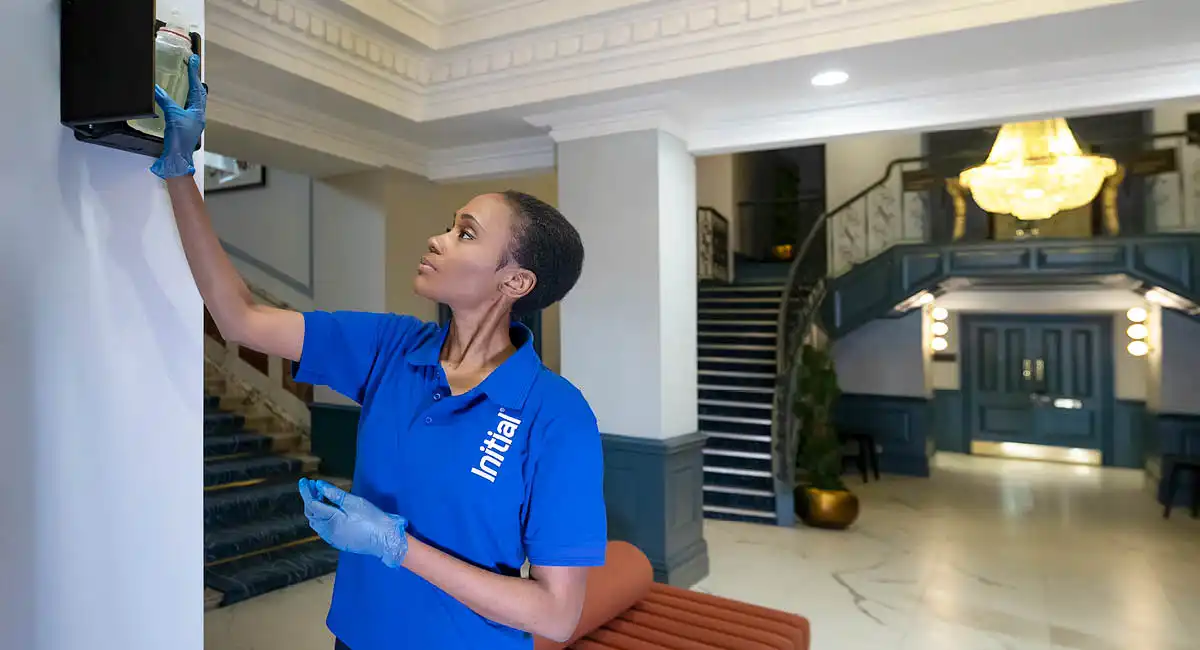
Our fragrance approval process is guided by a group of experts with in-depth knowledge of
ingredients and safety regulations. Leading this team is Dr Gail Aitken, QA and Regulatory
Manager at Rentokil Initial, who explains why our in-house Global Fragrance Safety policy
was developed:
“Operating as we do across so many countries, we’ve got to make sure that our fragrances
meet a wide range of local and global regulations. To help ensure consistency across our
business, we needed a way of collating and actively defining precisely what we don’t want in
our fragrances due to safety concerns.
Our Global Fragrance Safety Policy became the central point for that, gathering all our
‘musts’ and must-nots’ in one place. Without it, certain ingredients, even things like
potential carcinogens, could technically be allowed in some countries, even if they were
only just under the legal limit. This policy is our way of ensuring every fragrance or
fragranced product we use across our markets and global customer sites is truly safe for our
customers’ businesses.”
The policy includes strict rules our suppliers must follow, how we adhere to national and
regional chemical regulations and the ingredients and practices we prohibit, such as
forbidding animal testing. Some other key aspects include our International Fragrance
Association compliance and approach to allergens and banned substances.
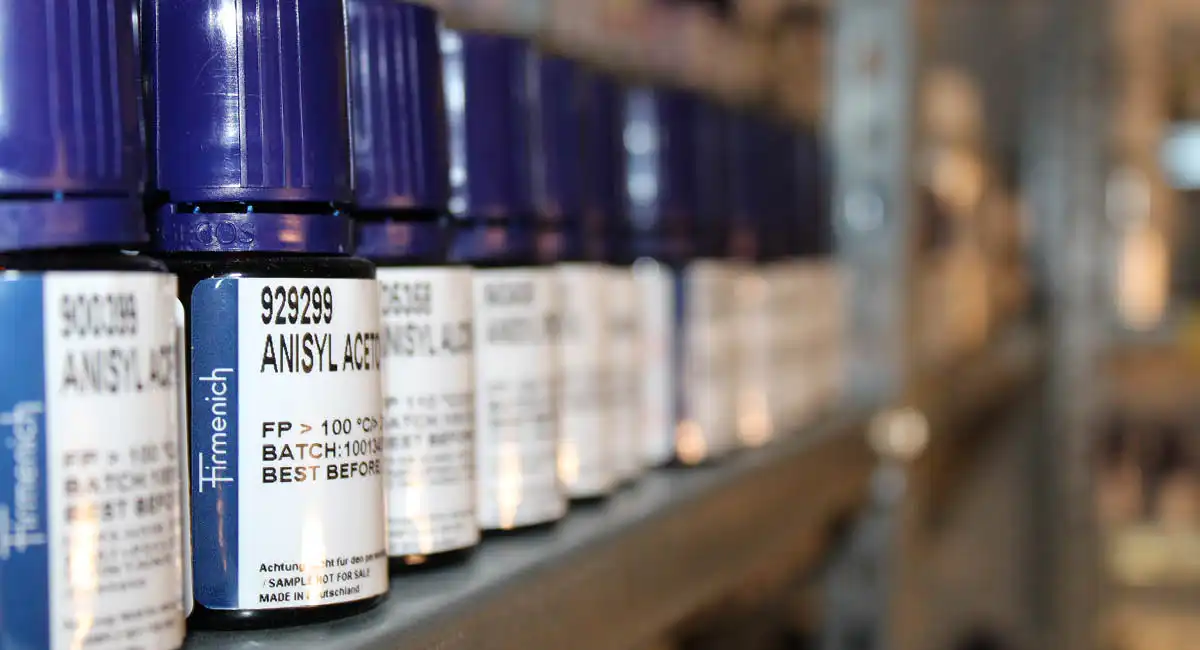
The International Fragrance Association (IFRA) is the globally recognised authority on fragrance safety with a mission to promote the safe use of ingredients and mixtures. IFRA is a self-regulating body, so fragrance houses voluntarily adhere to its guidelines. Their Code of Practice thoroughly evaluates potential risks and limits ingredients based on safety information and their potential to cause skin allergies, systemic adverse effects and environmental hazards. There are three principal obligations for businesses to follow:
As IFRA members, our Global Fragrance Safety Policy sets strict rules about IFRA compliance — our suppliers must also be members and provide certification that each fragrance adheres to IFRA requirements.
Our policy aims to give our customers complete transparency about allergens, so it dictates that we comply with all relevant regulations, including the EU Cosmetics Regulation (1223/2009), clearly labelling any allergens on our products. For a fragrance to be approved, we must have received certificates from our suppliers listing any allergens present and stating the exact percentage concentration in which they’re present.
The policy’s strict ingredient controls make sure that our fragrances are free from substances that may raise ethical or safety concerns. For example, it makes sure our fragrances and fragranced products do not contain:
For more details on what our fragrances don’t contain, click here.

Choosing a responsible scenting provider like Initial Hygiene offers significant advantages, allowing you to embrace the advantages of scenting with complete confidence. For example, it can help you:
With Initial Hygiene, you're choosing more than a fragrance provider; you're partnering with industry experts who set the standard for safety, transparency and trust. Our Global Fragrance Safety Policy is built to protect your people, your reputation and your brand.
* None of our fragrances or products containing fragrances are classified as:
Scent meets strategy to transform your business.