myInitial
Manage your business
myInitial login
Millennials are a much-discussed cohort of people who are currently the most sought after – and fickle – consumer group in the business world. Typically considered to have been born between the early 1980s and the mid-1990s, they have become the grail of lifestyle brands including hotels – and there’s a lot of energy and money spent trying to meet their needs.
Hotels are meeting the Millennial challenge in various ways. Some have become more neighbourhood-focused and individual in feel with curated local experiences. Others have added value with an enhanced food and beverage offerings. And sensory inputs such as fragrance – which is a growth area with Millennials across the world – are part of the offering.
Hotels used to look at functional ways to differentiate, such as the provision of ensuite bathrooms. But the drive for Millennial customers is to create a more emotional connection with their guests including experience and emotional involvement. It has moved from measurement to emotion, from quantification to qualification. How guests feel about a hotel experience is becoming a key means of differentiation and driving loyalty.
Millennials tend to be flexible, and multivalent. Therefore, hotels appealing to them should no longer consider themselves simply providers of accommodation, but flexible places where guests can find multiple uses from business, social life and events that bring in a sense of the destination outside. Part of the issue is that long-term loyalty is harder to gain in the era of instant online reviews on sites such as TripAdvisor.
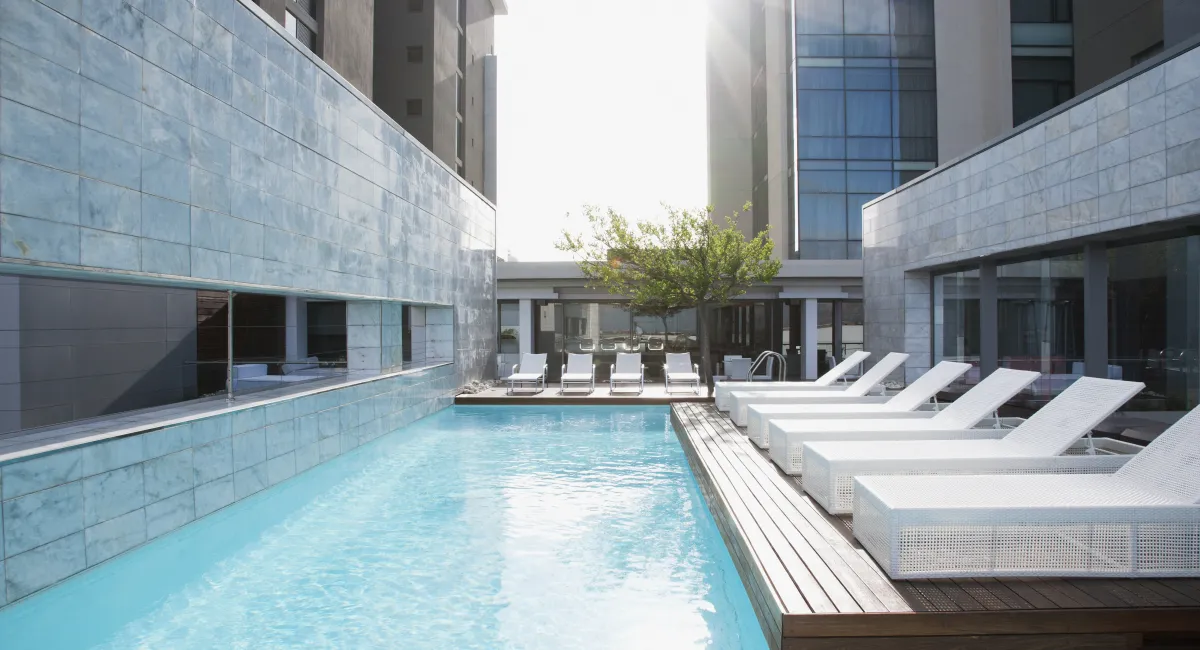
Hotels used to aspire to appeal to as many people as possible and bland décor was chosen. But Millennials have ushered in the age of the Instagrammable hotel, with social media posting opportunities – art, furniture, décor – to create moods. For example, the Hotel EMC2 in Chicago, part of Marriott’s Autograph Collection, has infinity mirrors in the bathrooms and vintage microscopes in common areas. It’s part of the plan to deliver immersive guest experiences that stimulate a desire to take a smartphone snap.
Curating a unique sense of the destination with experiences that exceed expectations, including cultural events and neighbourhood restaurant tips, helps. For example, at Hyatt’s boutique brand Centric, targeting Millennial travellers in 15 world locations, staff are encouraged to share their favourite local spots with guests.
Don’t think of it as catering for an age-group, but for a growing taste led by Millennials. “You don’t want to be alienating some of your customers in order to appeal to some of your other customers,” said Diane Mayer, vice president and global brand manager of Residence Inn, TownePlace Suites, Protea and Marriott Executive Apartments. “So, if you can find things that maybe are Millennial-driven but that have universal appeal, that’s the holy grail.” As hospitality tastes change, changes designed for Millennials will appeal to guests of all ages.
Scent meets strategy to transform your business. Elevate customer experiences with our tailored scent marketing solutions.